
Silver is a naturally occurring chemical element and precious metal, symbolized by Ag (from the Latin argentum). It is known for its bright, metallic appearance and unique physical properties, namely:
- highest electrical conductivity of all metals at room temperature
- outstanding thermal conductivity
- highest optical reflectivity in visible spectrum
- malleability and ductility
- corrosion resistance
- antimicrobial and antibacterial properties
- high chemical stability (noble metal behavior)
- high recyclability
- relatively high density and melting point
These properties make silver uniquely positioned between precious metals like gold and industrial metals used in electronics and clean energy.
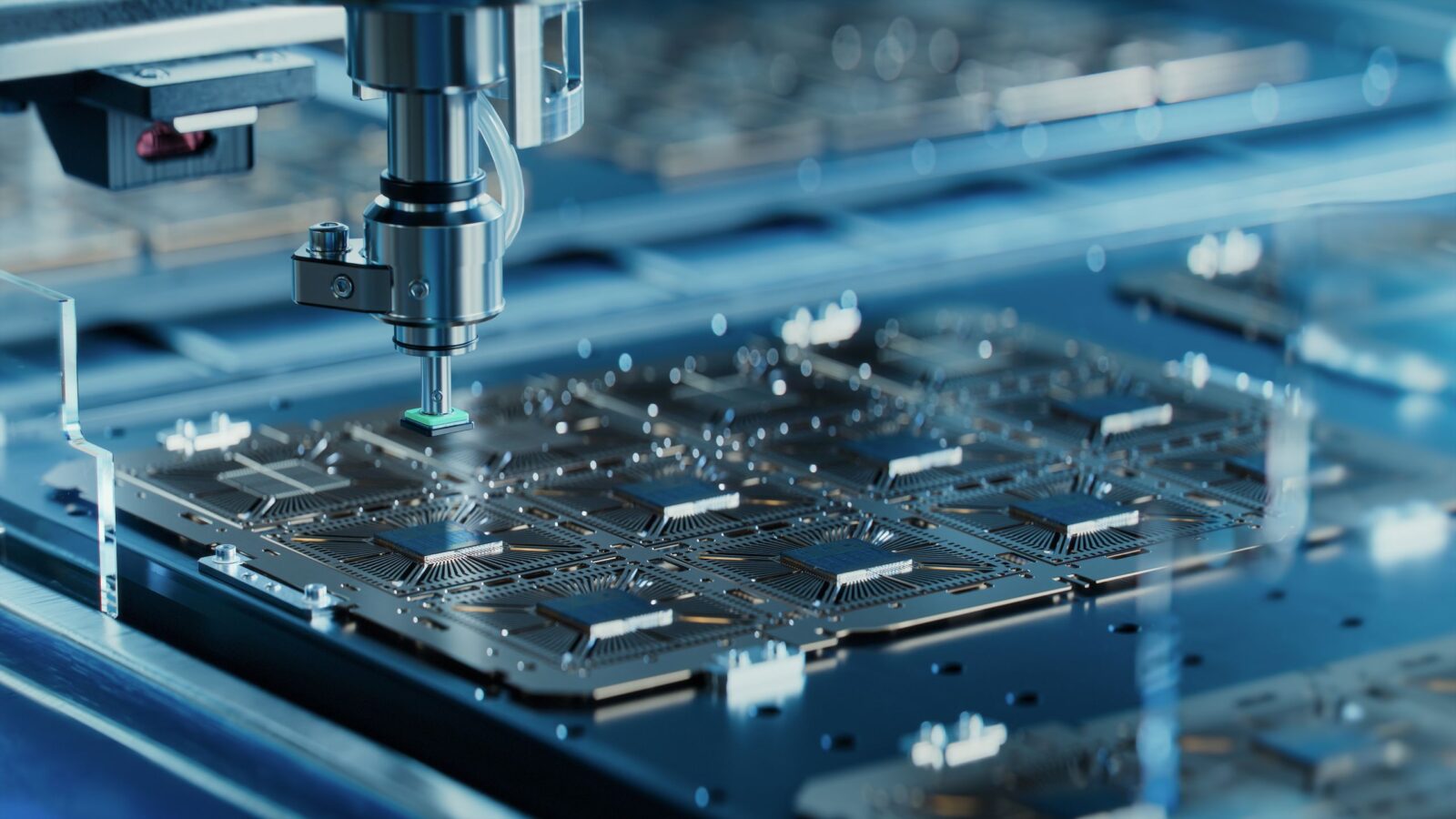
As demand accelerates across technology, renewable energy, and investment markets, silver plays an increasingly important role in Sibanye‑Stillwater’s diversified metals portfolio and long‑term value proposition.
Global silver market
Silver occupies a unique position among precious metals. It combines monetary value with critical industrial functionality, giving it multiple demand drivers across economic cycles.
Market supply
Global silver supply is sourced from primary silver mines, by‑product production from lead, zinc, copper, and gold operations and recycling, mainly from industrial scrap and end‑of‑life electronics
Over the past decade, global mine supply has remained relatively constrained due to declining ore grades, limited new project development, and escalating capital and regulatory requirements. Recycling provides an important secondary supply stream.
Demand drivers
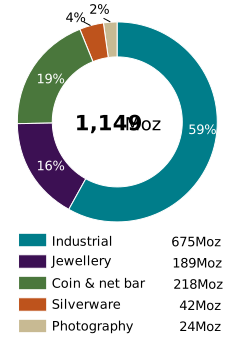
Silver demand is diversified with a variety of industrial uses as well as traditional sources of demand from jewellery and silverware to investment. The metals unique properties — including the highest electrical and thermal conductivity of any metal at room temperature — make it indispensable across multiple sectors.
These diverse applications underpin silver’s role as both an economic barometer and a strategic industrial input. The energy transition and electrification themes are long‑term structural demand drivers that increasingly distinguish silver from other precious metals.
Silver demand 2025
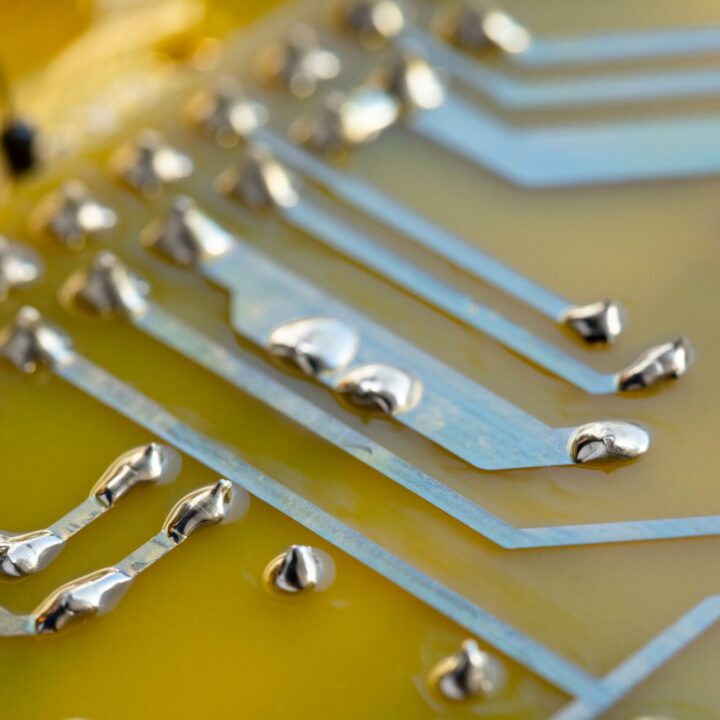
Industrial and technology applications
- Electrical contacts and conductors
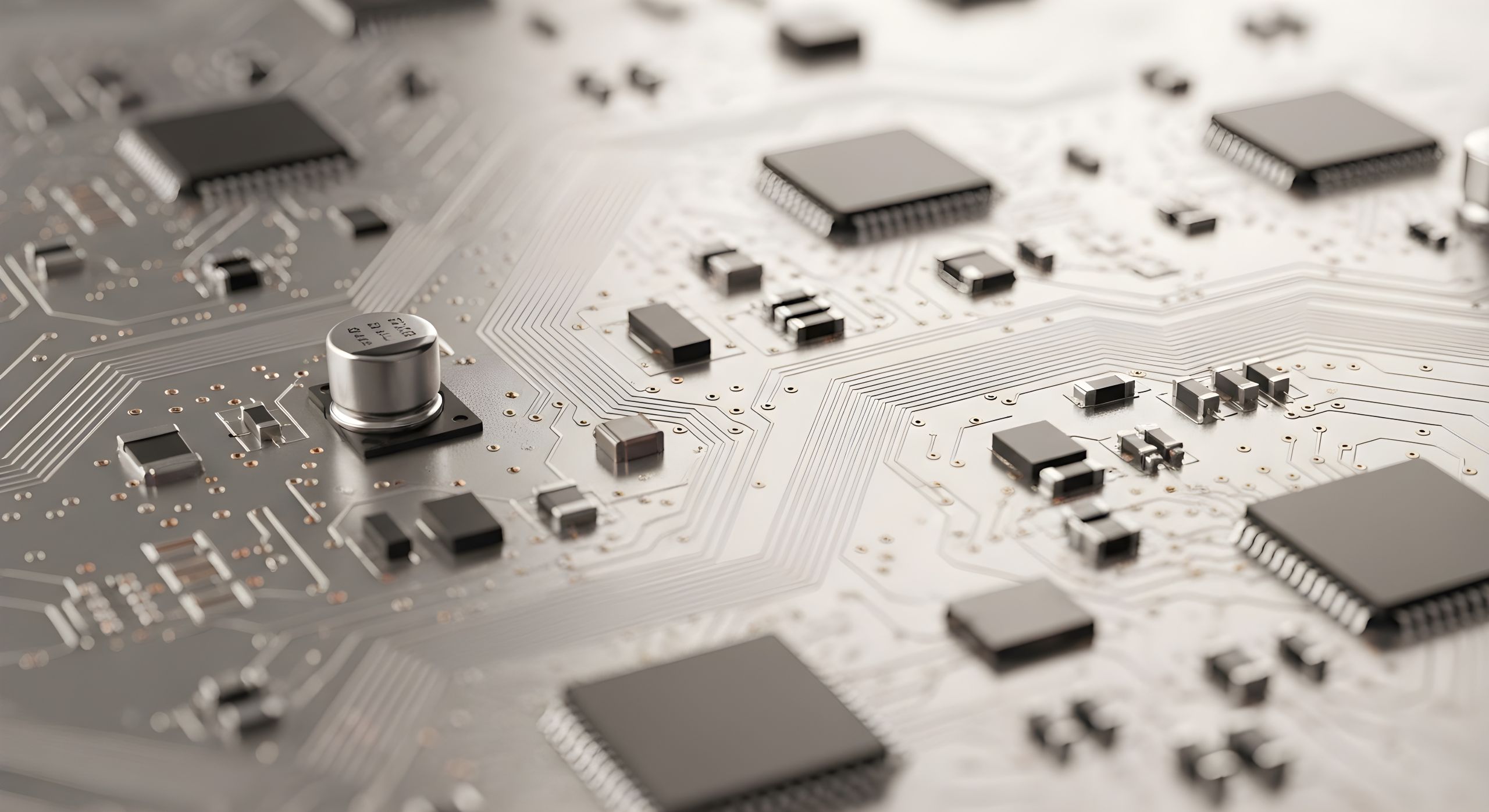
- Semiconductors and circuit boards
- Chemical and medical applications
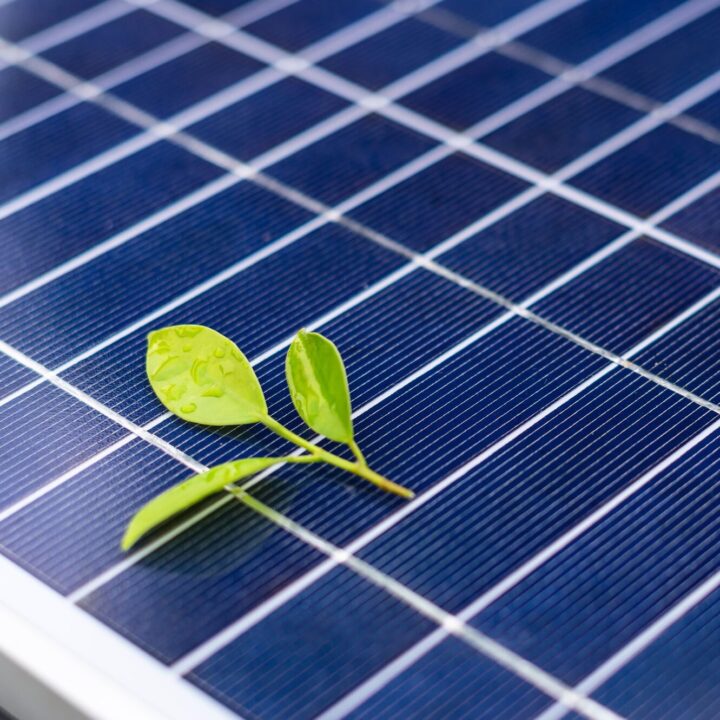
Renewable energy
- Photovoltaic solar panels
- Energy storage and power grid components
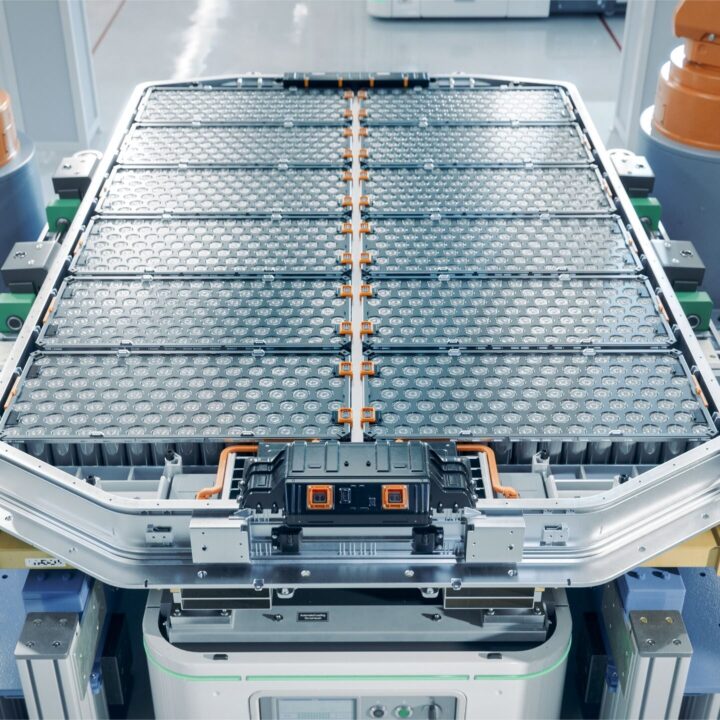
Automotive and mobility
- Electric vehicles (EVs) and batteries
- Advanced driver assistance systems
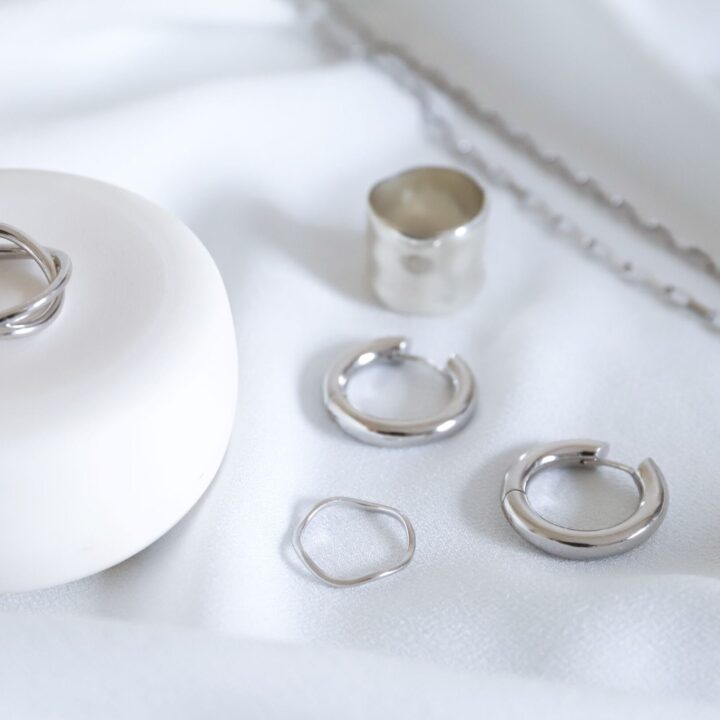
Jewellery, silverware, and investment
- Jewellery fabrication
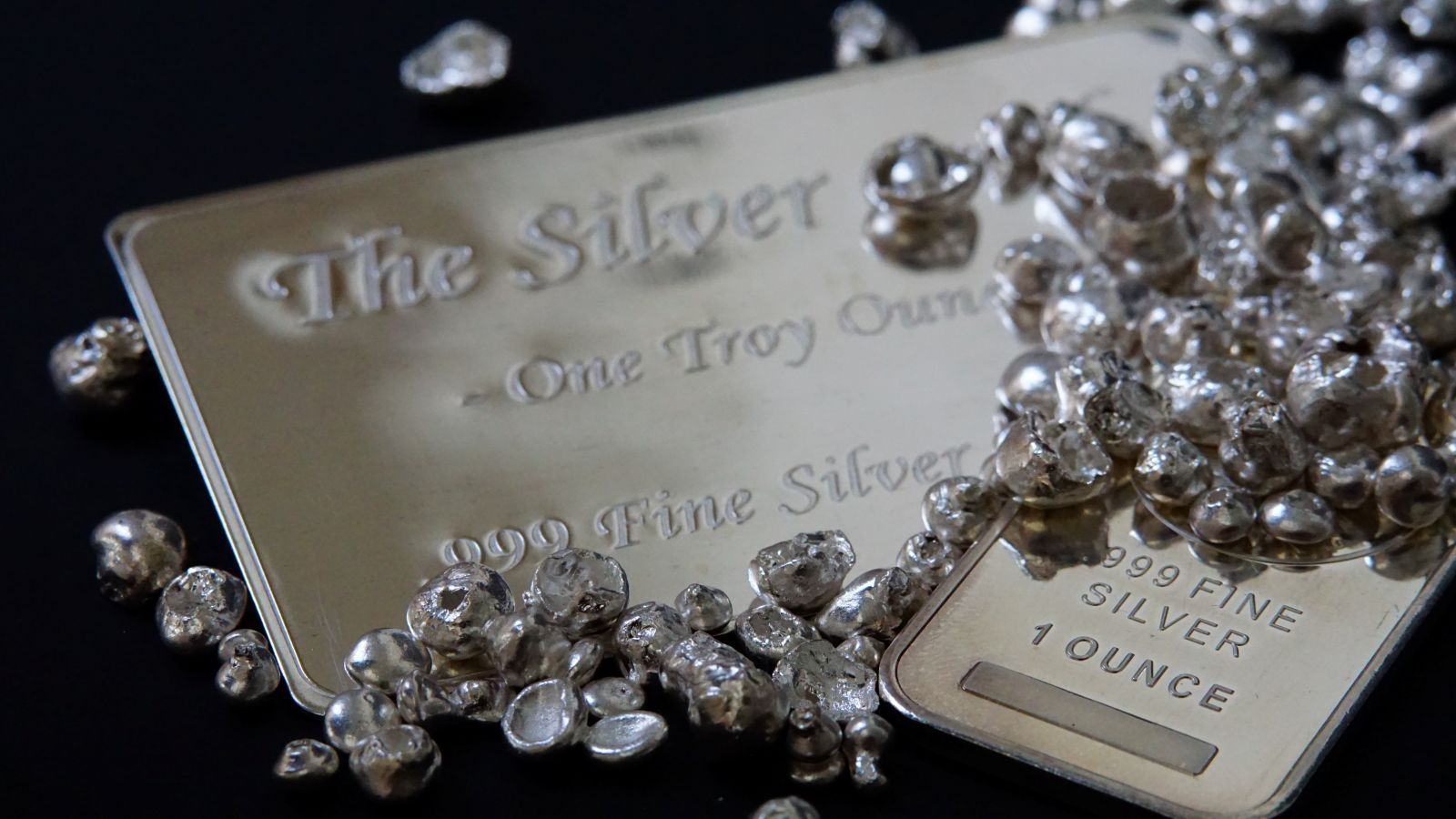
- Bars, coins, and financial instruments
Sterling silver (92.5% purity) dominates jewellery fabrication due to its durability and affordability compared to gold.
A brief history of silver
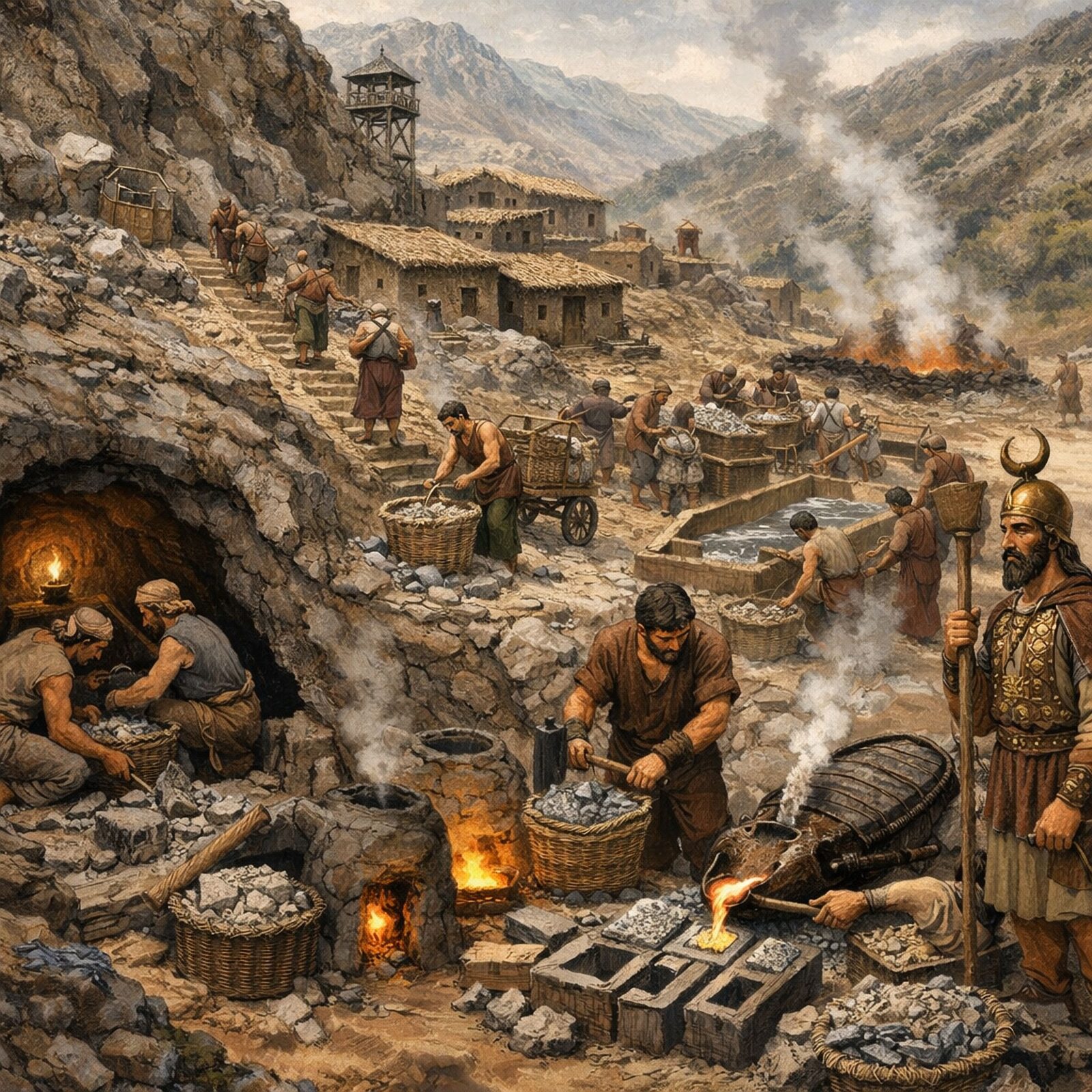
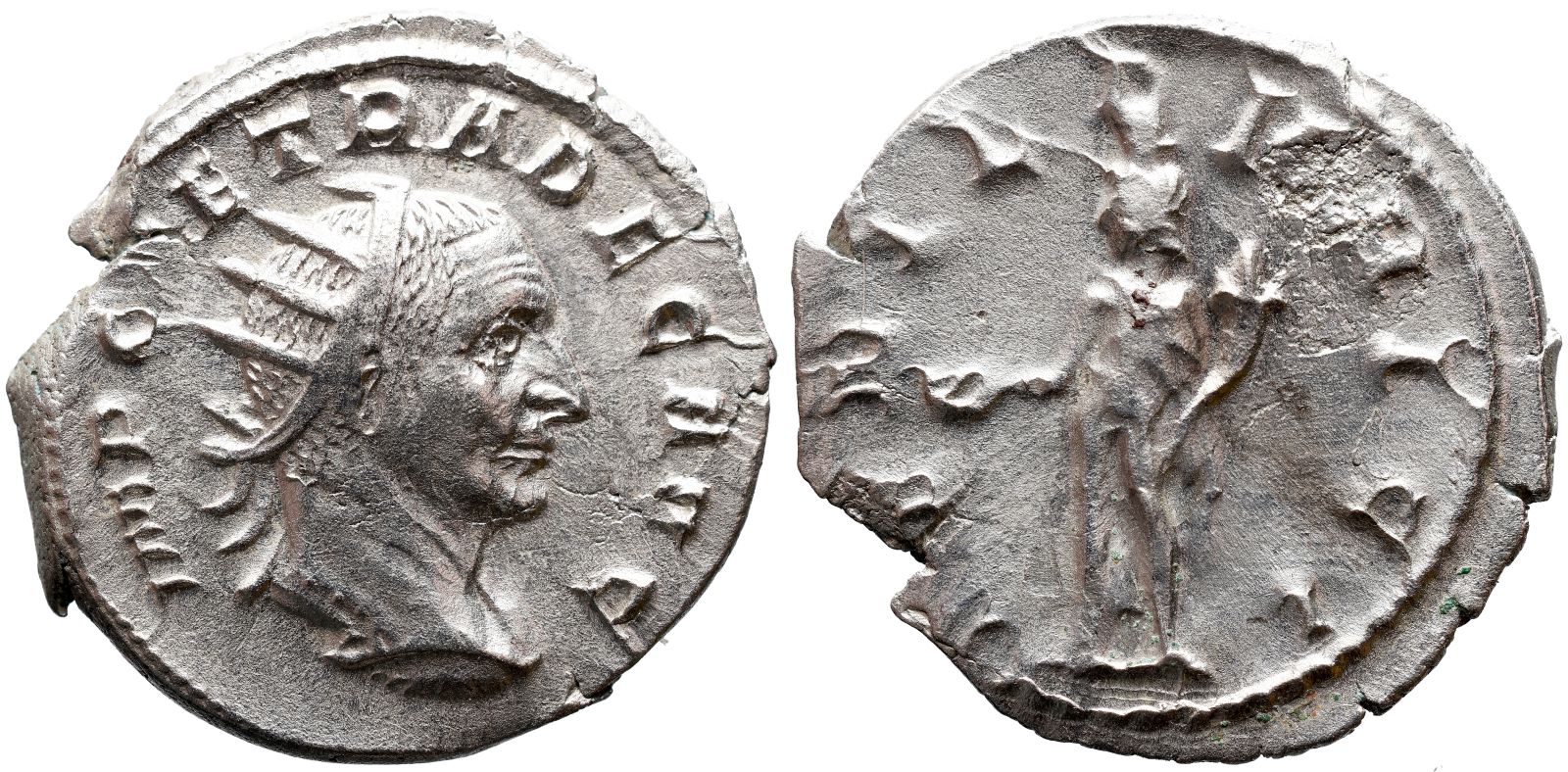
~3,000 BC
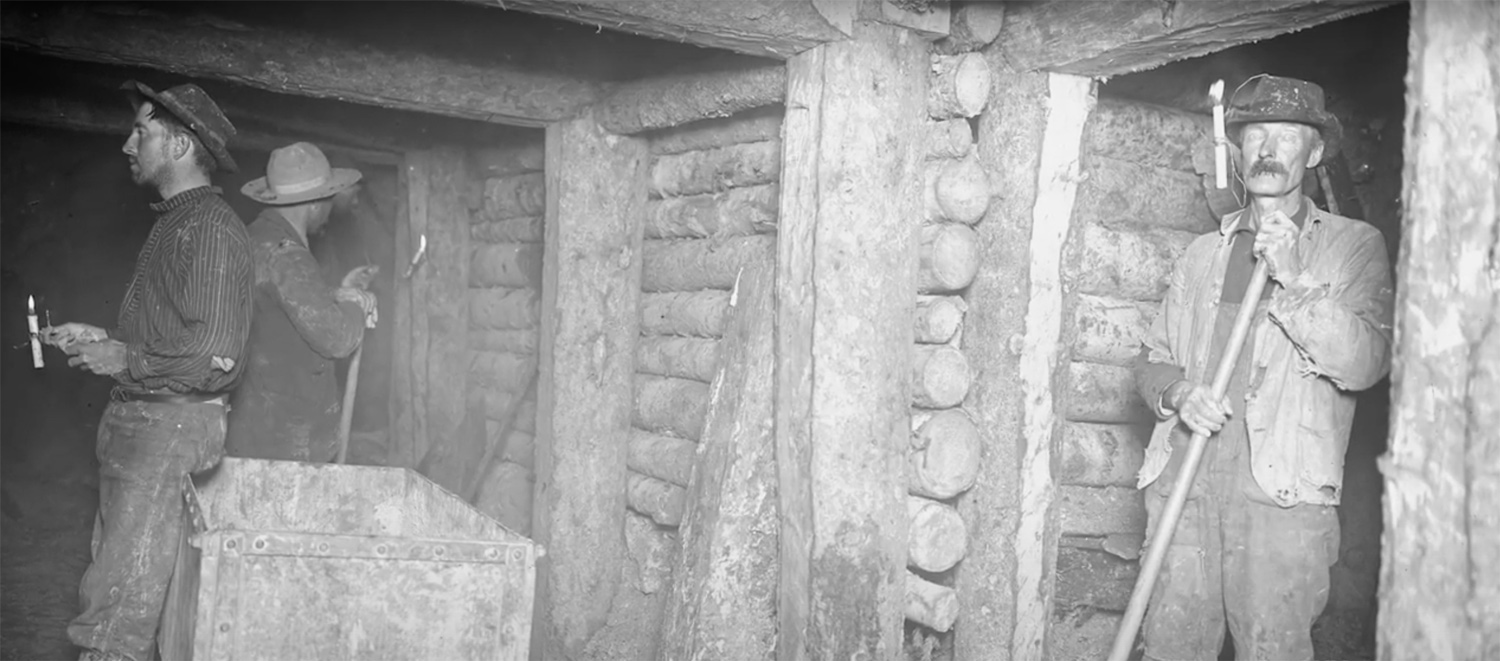
Silver mining has a history stretching back more than 5,000 years and has played a central role in the development of economies and societies with the earliest silver mining taking place in Anatolia and the Aegean region. In these early civilizations, silver was highly valued for coinage, trade, and ceremonial purposes, establishing its long‑standing association with wealth and authority.
~1545
The global importance of silver increased dramatically during the Age of Discovery from the 16th to the 18th centuries. Massive deposits in the Americas, especially in Potosí (Bolivia) and Zacatecas (Mexico), transformed global markets as Spanish colonial mining flooded Europe and Asia with silver. During this period, silver effectively became the first global currency, facilitating trade between Europe, the Americas, and Asia, particularly with China.
~1760
The Industrial Revolution brought mechanization and new technologies that further expanded silver mining. Steam power, improved drilling, and more efficient processing methods enabled deeper and more productive mines. New silver districts emerged in regions such as the United States, Canada, Australia, and Mexico, supporting both industrial growth and expanding monetary systems.
~1820
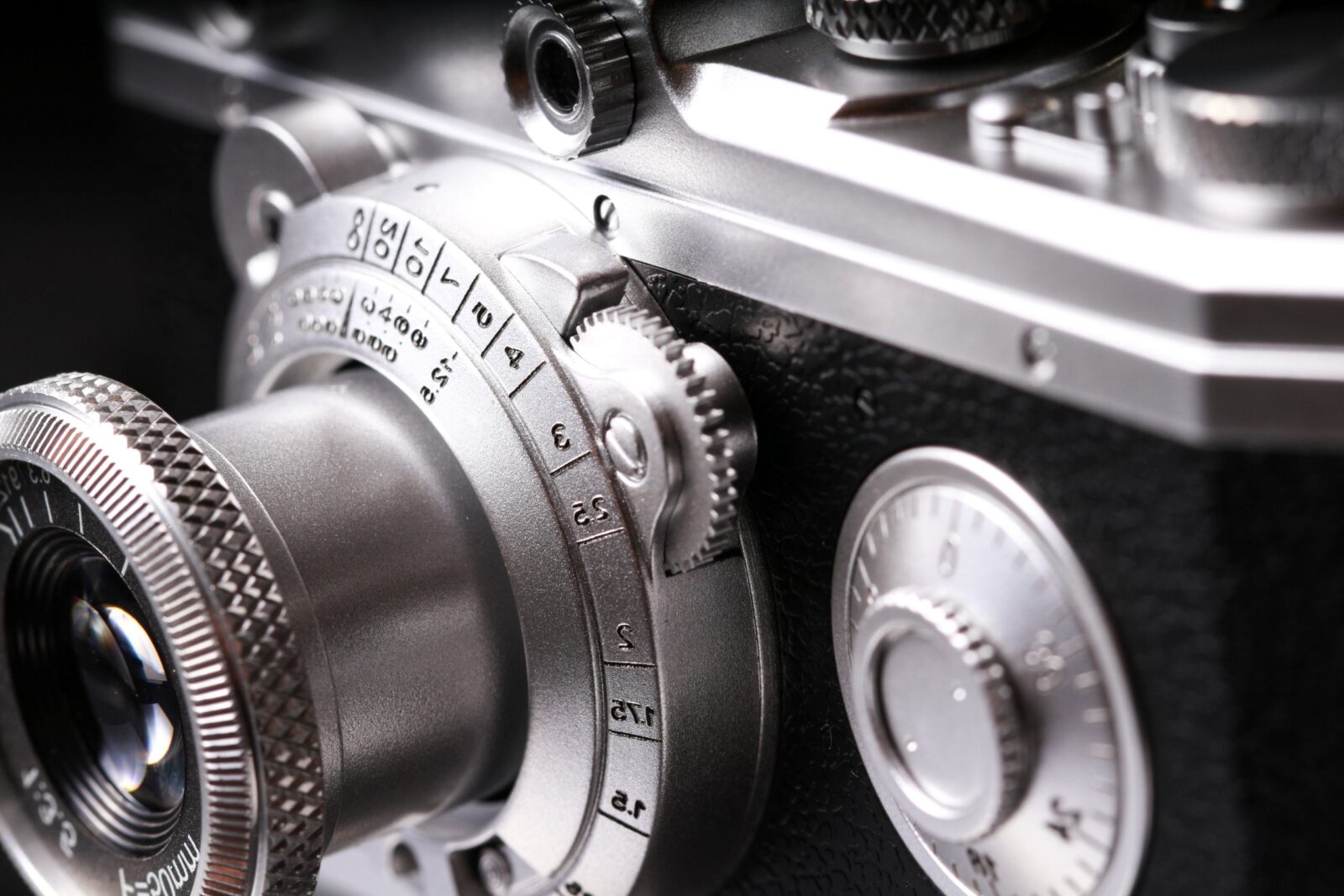
In the 20th century, silver gradually lost its role as a monetary standard, but demand surged for industrial uses such as photography, electronics, and medical applications. Most silver production shifted to being a by‑product of mining for other metals like lead, zinc, copper, and gold.
~2000
In the 21st century, silver mining continues to evolve, driven by demand from clean energy technologies, electronics, and investment markets, with recycling and urban mining now playing an increasingly important role alongside traditional mining.
Silver recycling
Silver recycling plays a critical role in the sustainability and resilience of the global silver market, forming an integral part of the metal’s circular economy, and contributing nearly one‑fifth of global silver supply.
According to the Silver Institute, global silver recycling reached a multi‑year high in 2025, supported by firmer prices and improved recovery from industrial materials.
Sibanye‑Stillwater’s recycling operations recovers silver from industrial scrap, end‑of‑life electronics, jewellery and other secondary materials. This capability strengthens the company’s exposure to the circular supply of a metal facing long‑term structural constraints and reinforcing our role as a producer and processor of metals that are essential to a resource‑efficient, low‑carbon global economy.
A metal aligned with the future
As the world transitions toward cleaner energy systems and increasingly digital infrastructure, silver’s importance continues to grow. Its dual nature — combining precious metal attributes with essential industrial uses — positions it as a critical component of Sibanye‑Stillwater’s long‑term strategy.
Silver complements Sibanye‑Stillwater’s existing exposure to platinum group metals (PGMs), gold, and battery metals, reinforcing its ability to deliver sustainable value, economic resilience, and future‑facing growth for stakeholders.