Precious metal recycling Waste Streams
Jewelry manufacturing
Assisting jewelry producers to recapture valuable materials from every step in their production workflow.
Uncover hidden value in your manufacturing process
In jewelry manufacturing, even the most precise operations can lead to the loss of valuable precious metals. Small, routine losses – from casting and polishing to everyday shop activity – can quickly add up, impacting both profitability and sustainability.
With precious metal prices remaining strong, now is the ideal time to take a closer look at your recovery strategy.
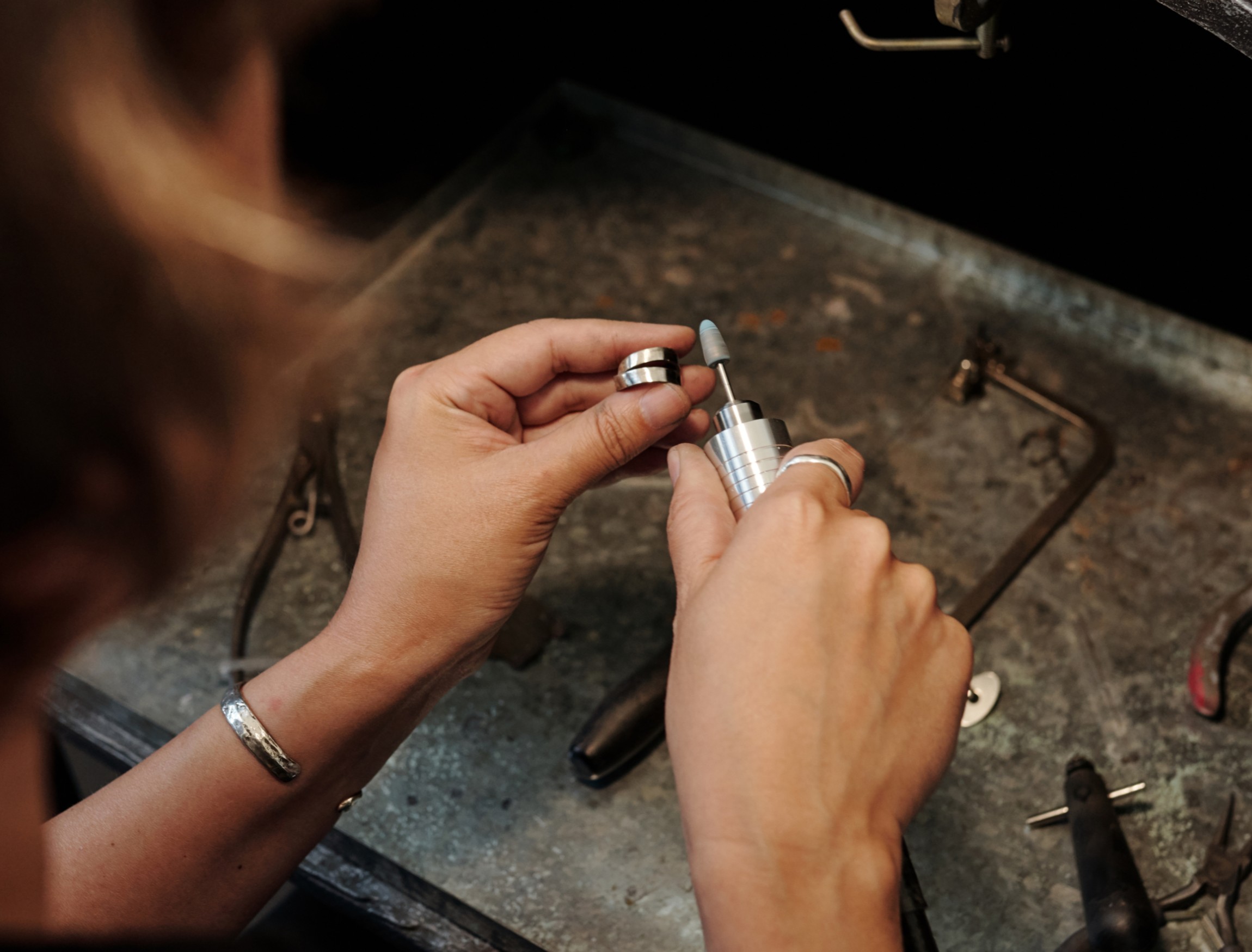
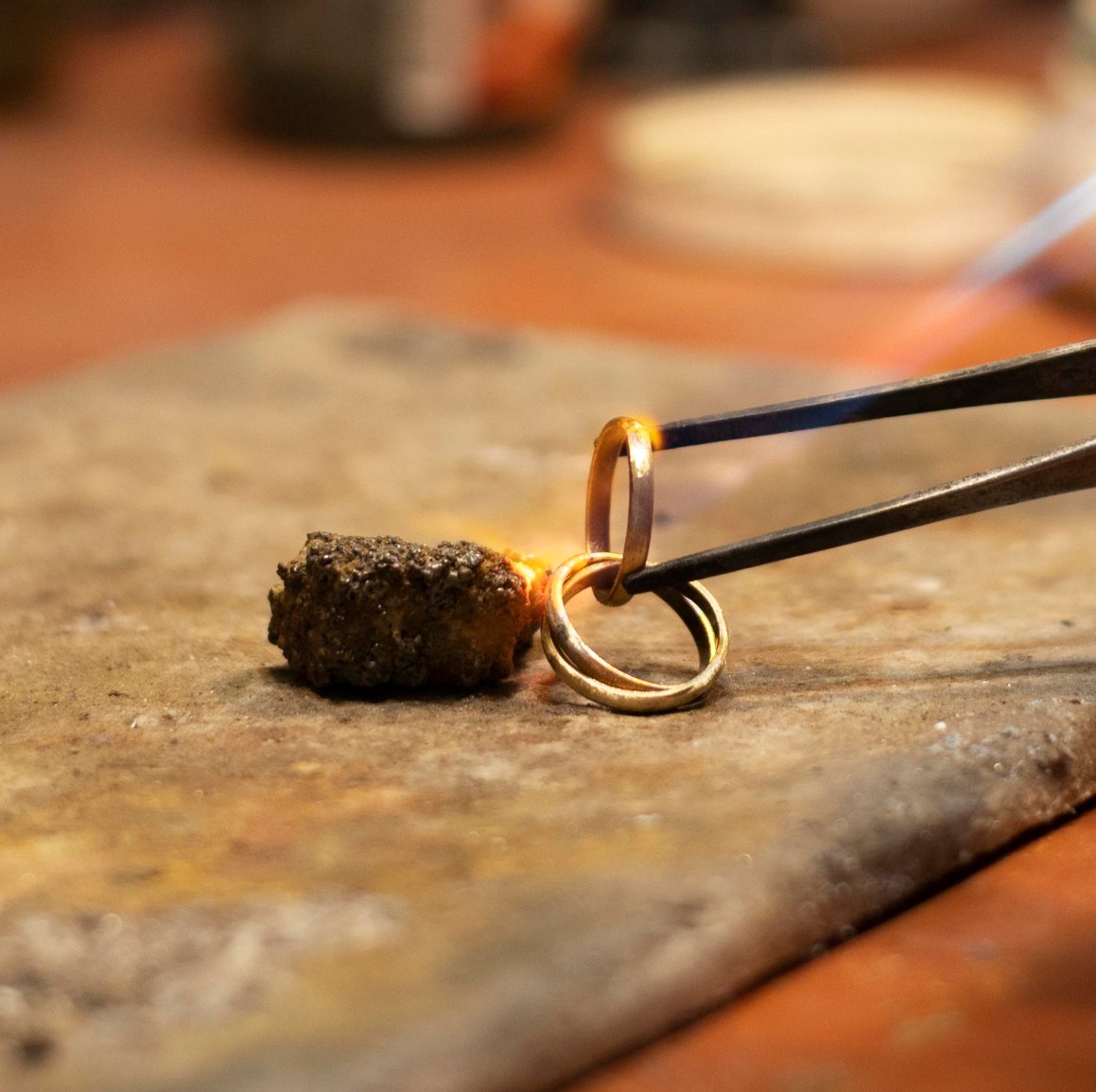
At Sibanye-Stillwater Recycling operations, we offer specialized jewelry metal recovery solutions that help manufacturers reclaim hidden value at every stage of production. From initial melting through final finishing, our approach is designed to maximize metal recovery, improve operational efficiency, and reduce environmental impact.
As the jewelry industry continues to grow, refining recovery practices has never been more important. Even minor inefficiencies can result in significant material losses over time. By identifying key recovery points and optimizing your processes, you can increase yield, reduce waste, and strengthen your sustainability goals.
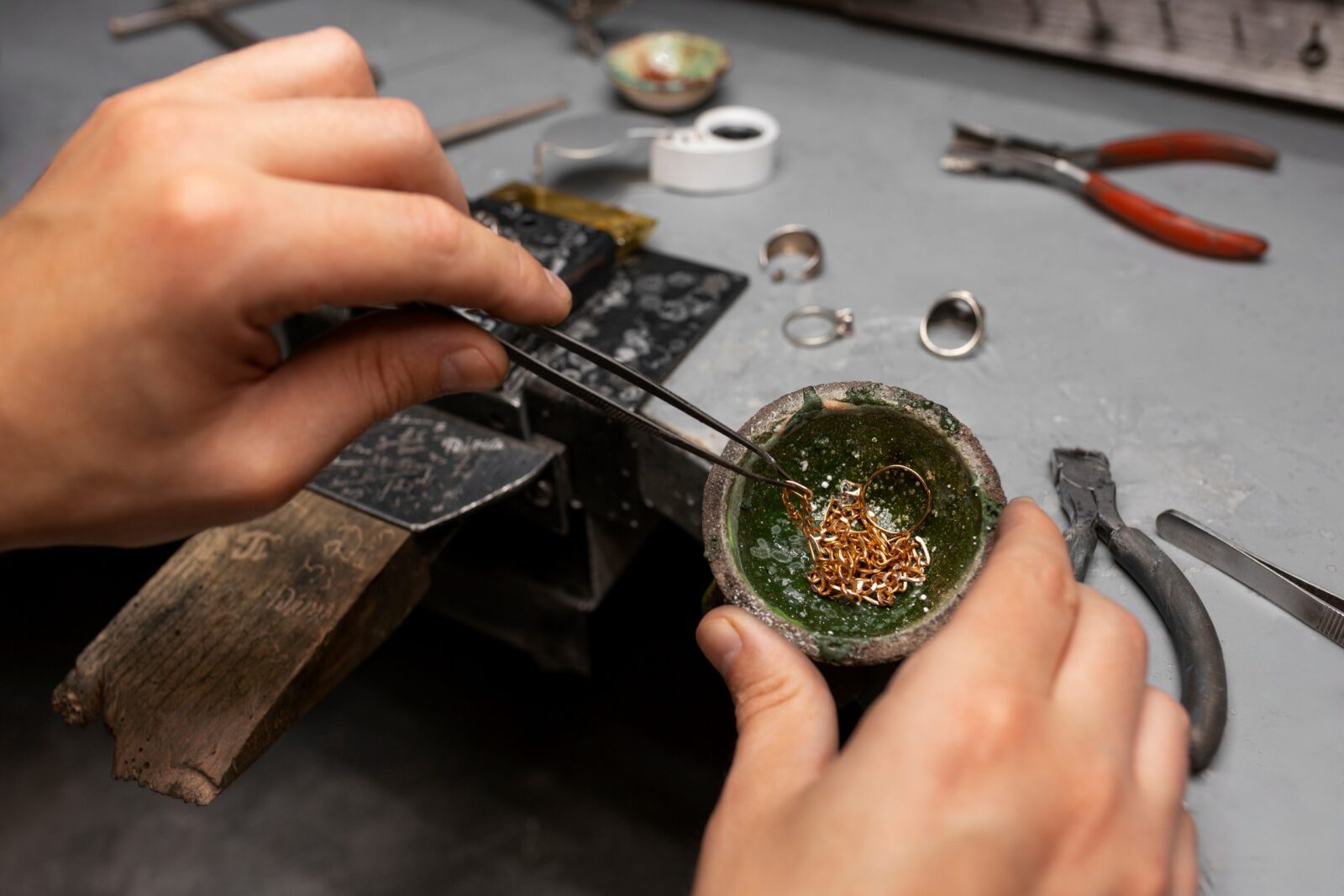
We support jewelry scrap recycling for both manufacturers and retailers – helping recover precious metals from production waste quickly, securely, and efficiently.
Identify hidden value across
your workflow
True recovery starts with knowing where precious metals are slipping through the cracks. These commonly overlooked areas of jewelry manufacturing often hold more value than expected.
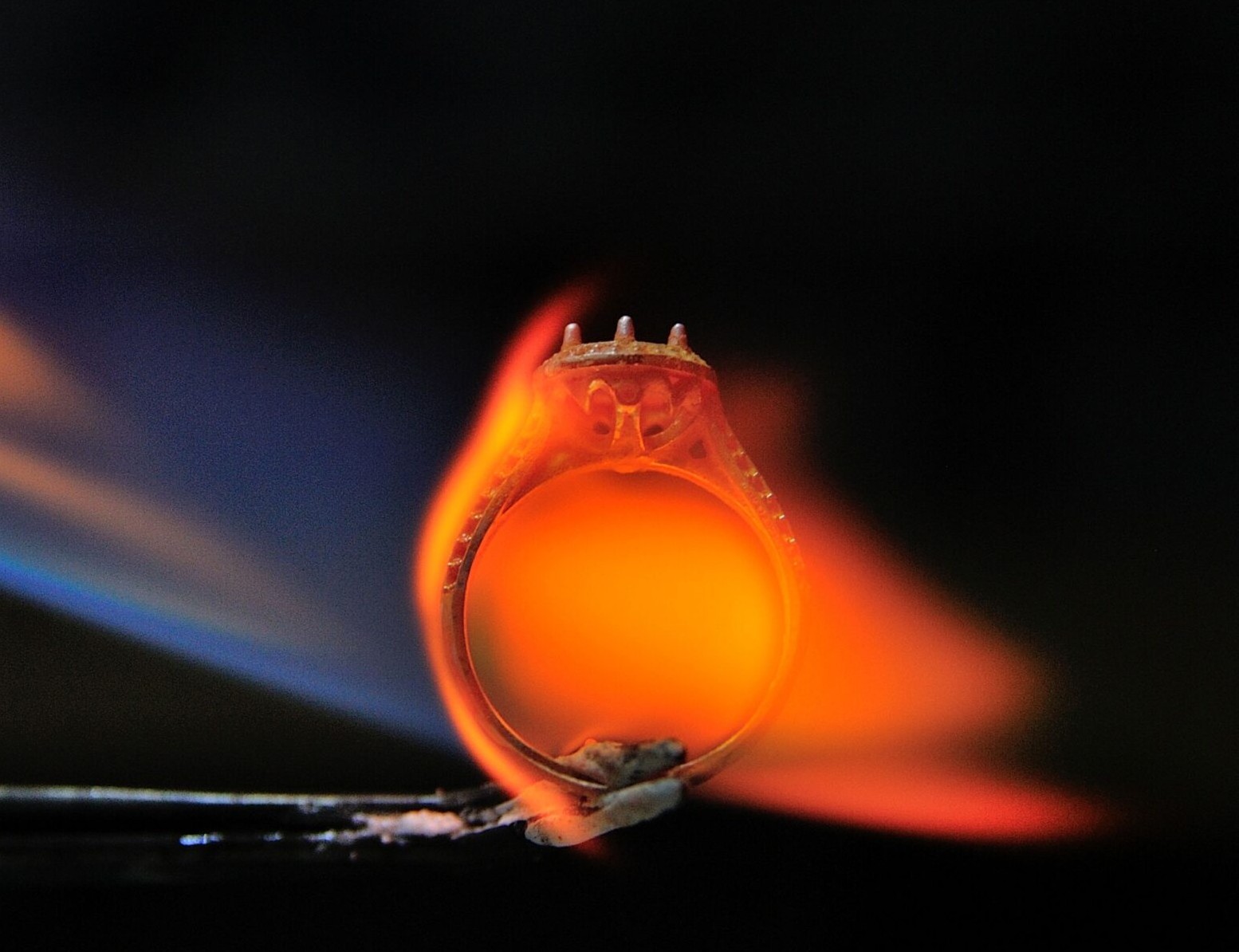
High-temperature processes
Casting and melting operations are major sources of metal loss, including:
- Residue buildup in crucibles
- Worn casting dies and molds
- Slag and flux waste
- Dust and debris from equipment cleaning
- Floor sweeps near casting stations

Fabrication (rolling, drawing, stamping)
Shaping and forming processes can generate metal-rich waste such as:
- Shavings near rolling mills and wire-drawing equipment
- Particles around stamping and chain-making stations
- Residue from lubricants and oils
- Used rags, wipes, and floor debris
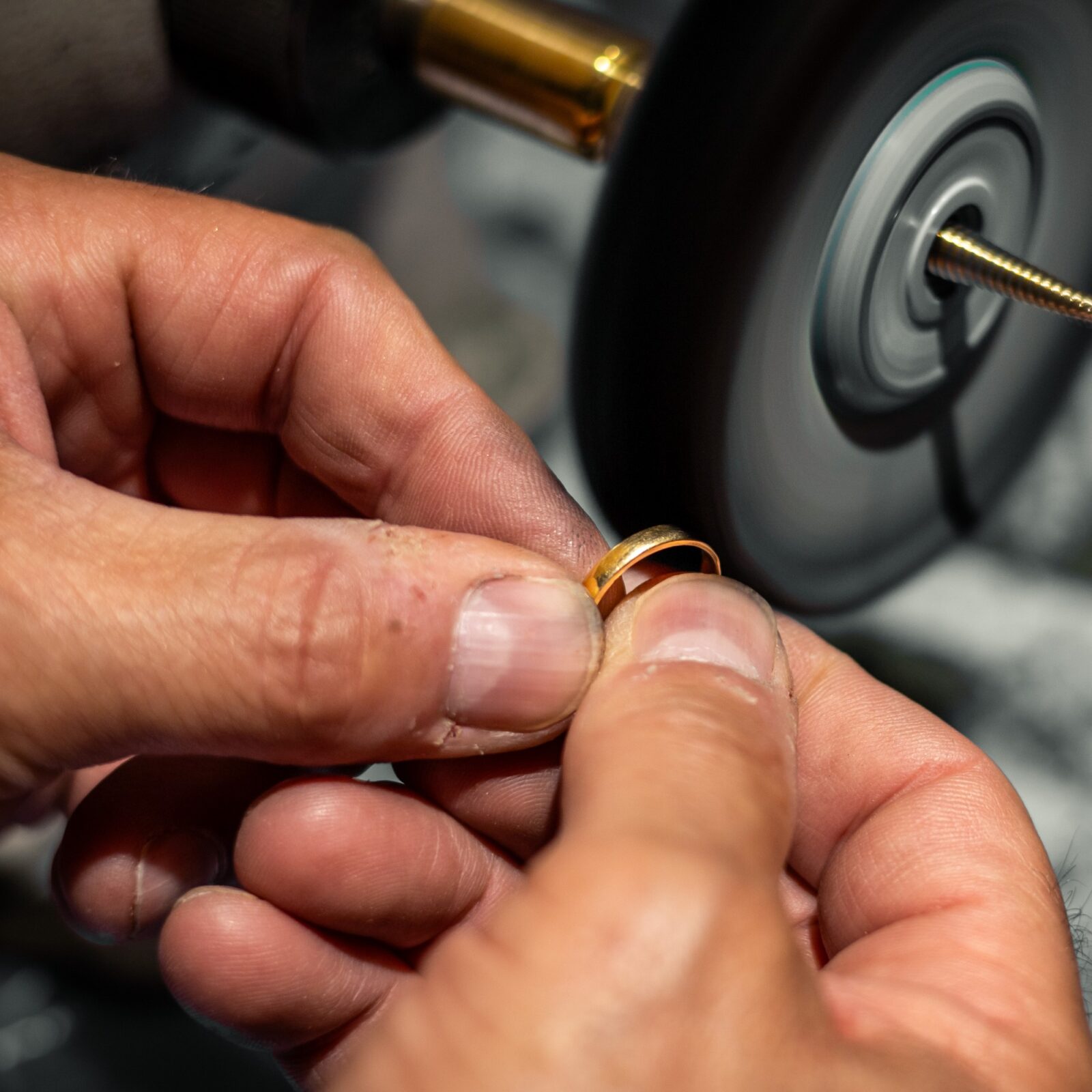
Assembly, finishing & cleaning
Finishing steps often produce some of the most valuable recoverable material:
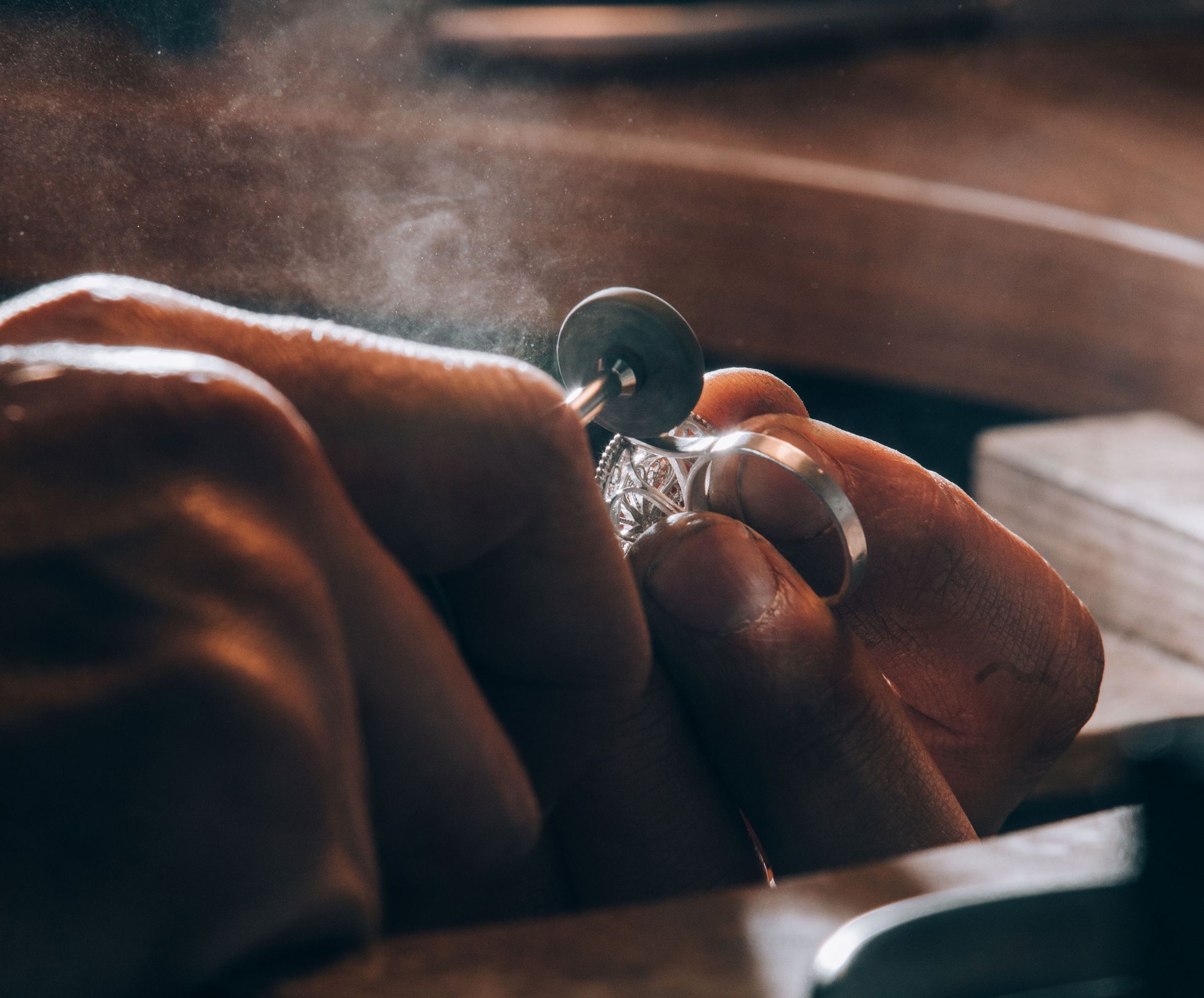
- Byproducts from filing, grinding, and sawing
- Soldering and polishing residues
- Contaminated brushes, rags, and polishing wheels
- Sweepings from workbenches
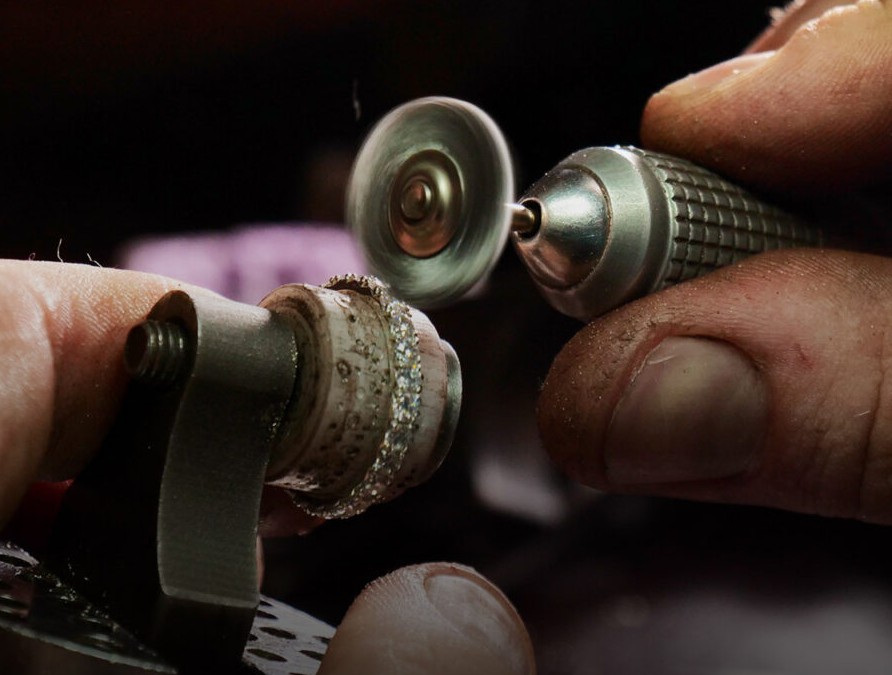
General facility areas
Casting and melting operations are major sources of metal loss, including:
- Residue buildup in crucibles
- Worn casting dies and molds
- Slag and flux waste
- Dust and debris from equipment cleaning
- Floor sweeps near casting stations
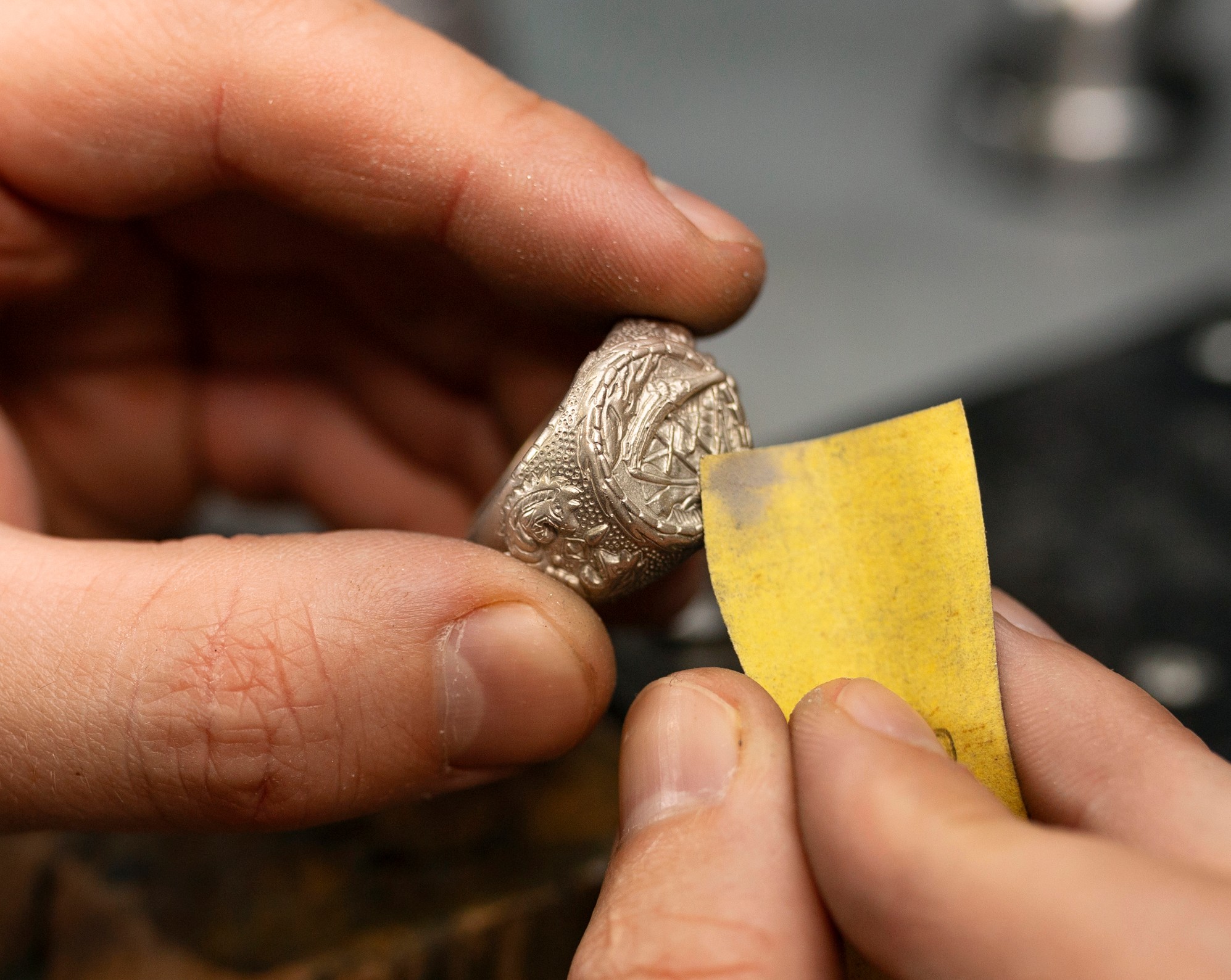
Small particles. Significant returns.
Even the smallest particles can add up to meaningful returns over time. Regularly evaluating and improving your recovery processes not only increases precious metal yield – it also enhances efficiency and reinforces your commitment to environmental responsibility.
Partner with Sibanye-Stillwater Recycling operations
When you partner with Sibanye-Stillwater Recycling operations, you gain a collaborator committed to integrity, innovation, and results you can see and measure. We invite you to explore how our expertise can support your goals – today and into the future.
-
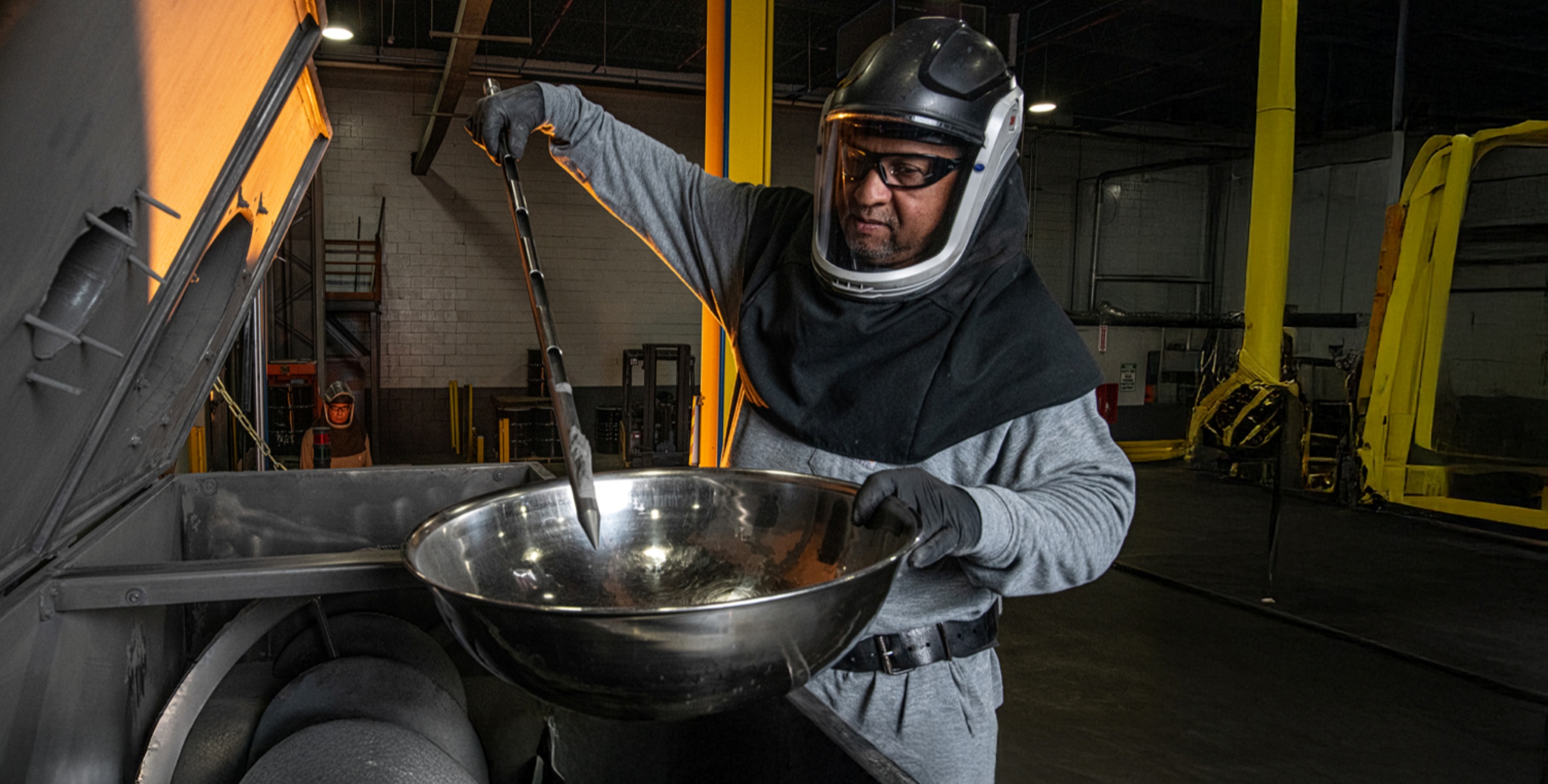
Mechanical reduction
Explore more: Mechanical reduction -
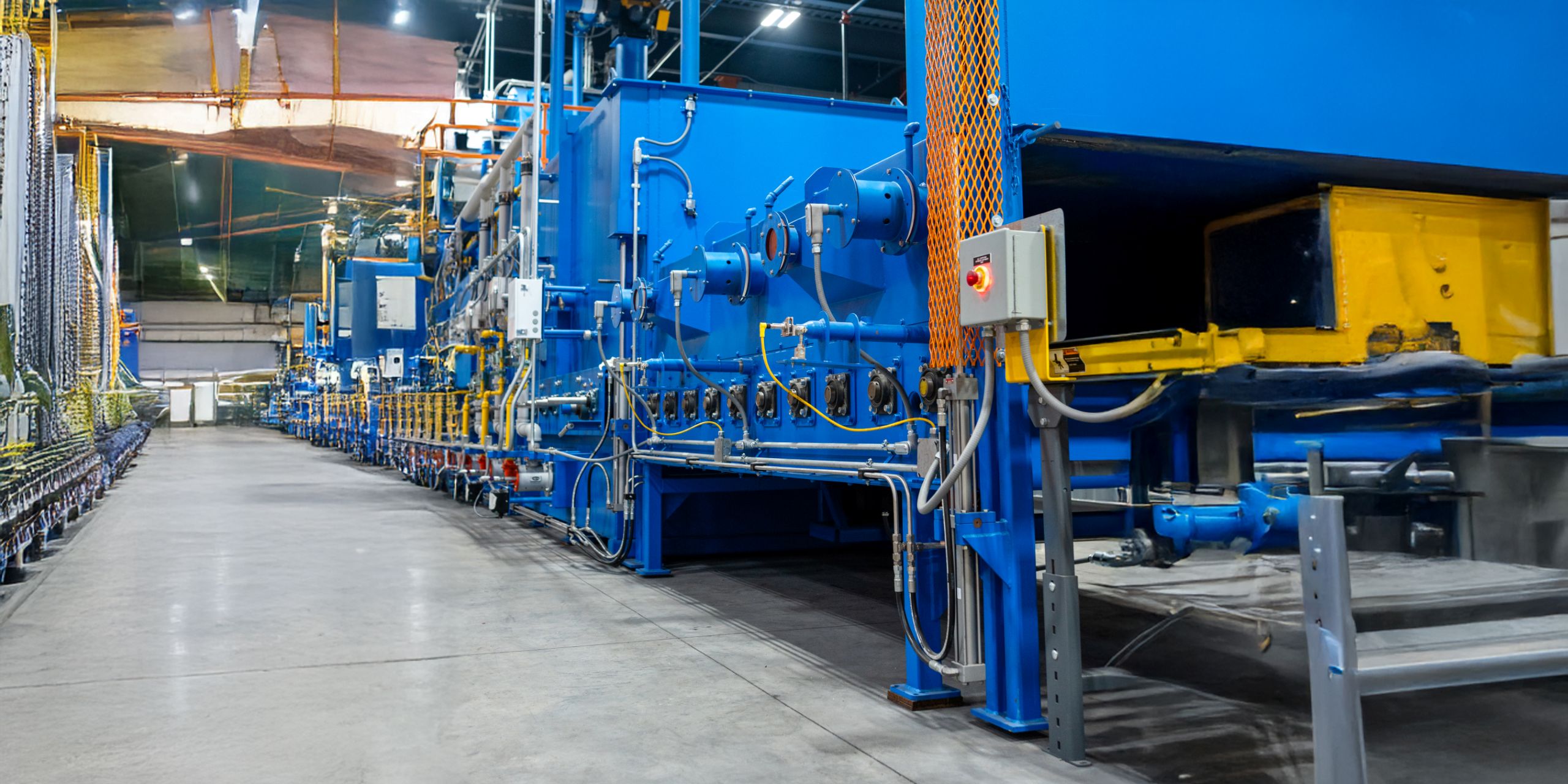
Thermal reduction
Explore more: Thermal reduction -
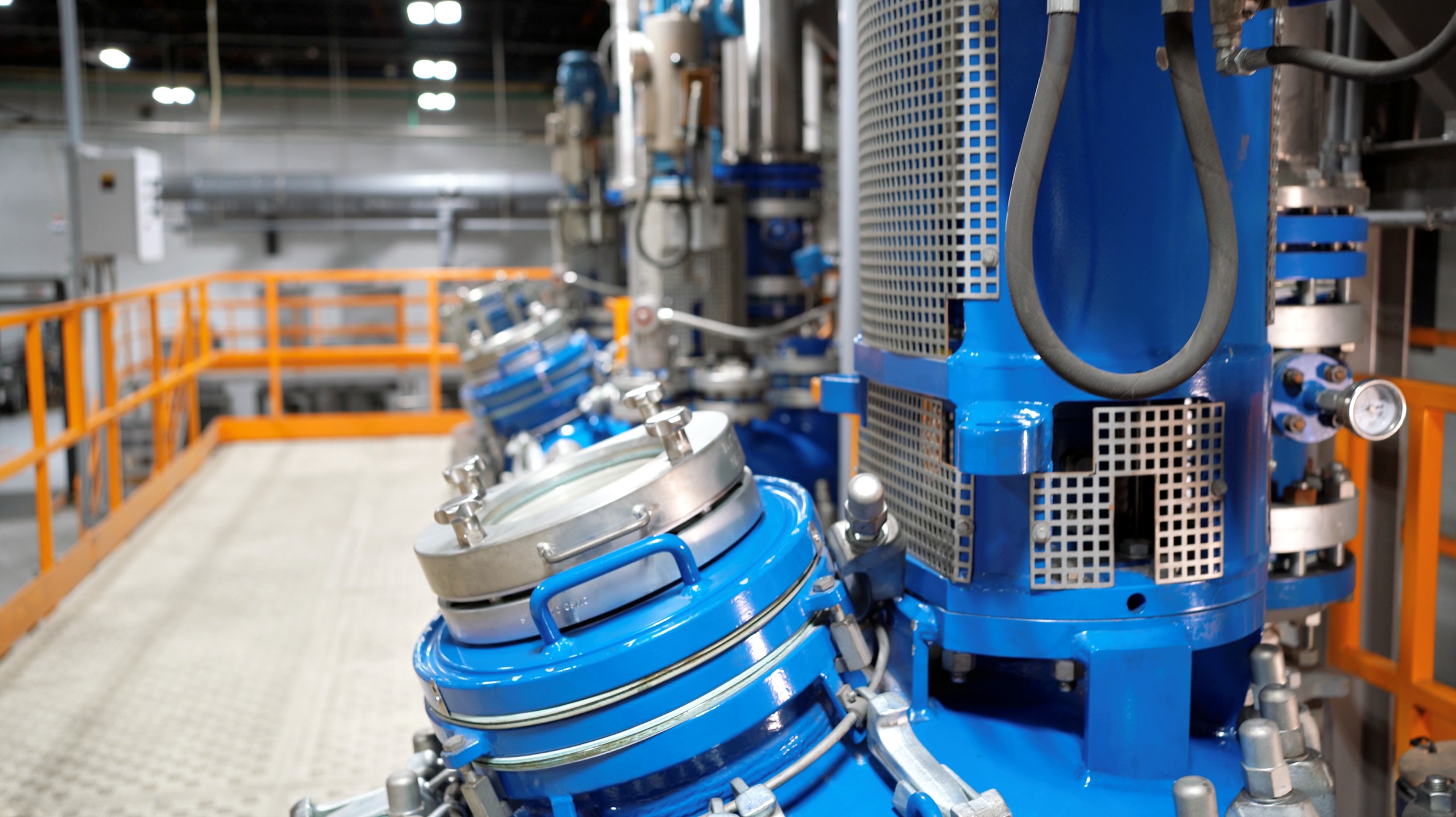
Wet chemistry
Explore more: Wet chemistry -
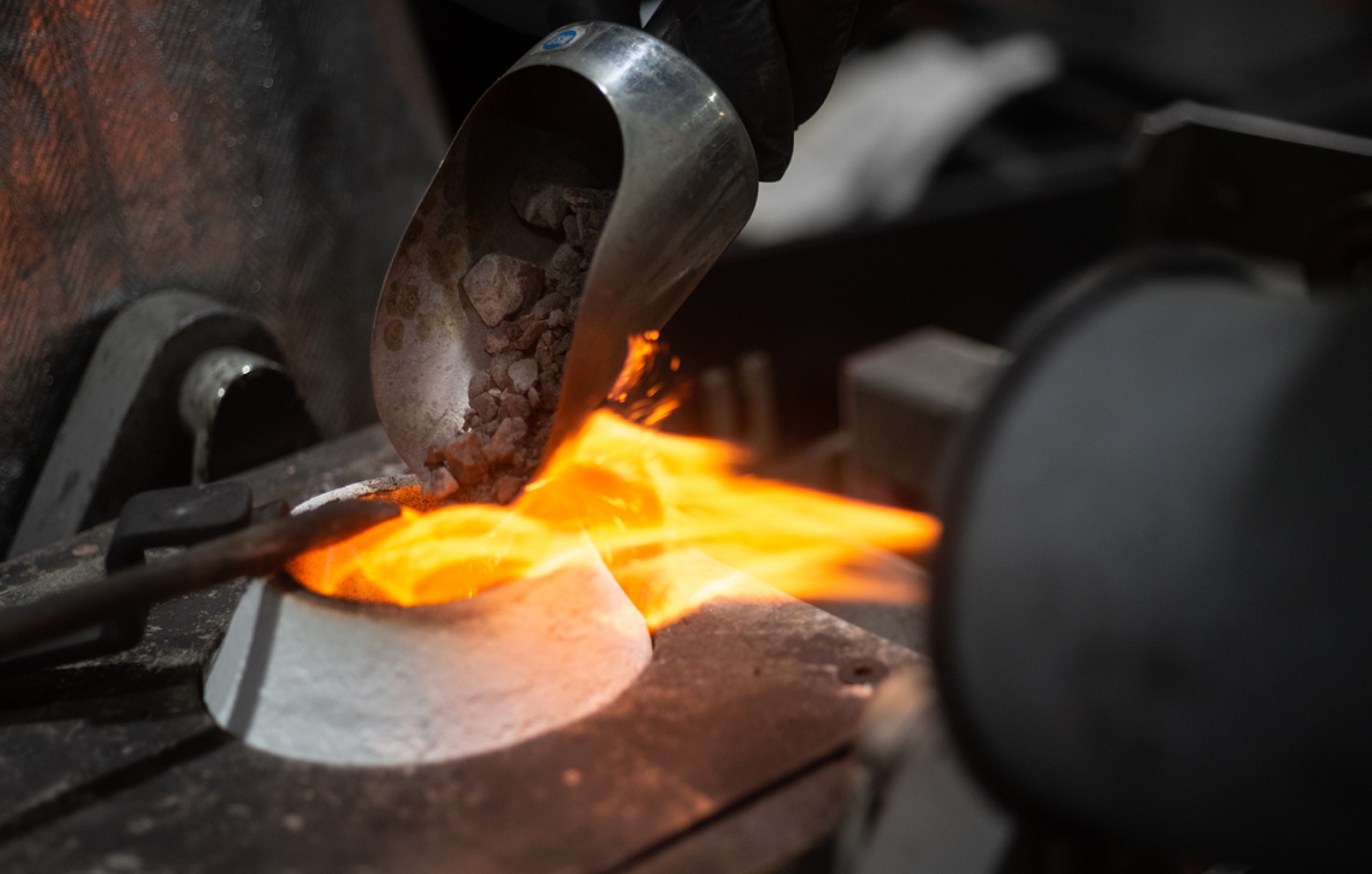
Precious metal melt
Explore more: Precious metal melt -
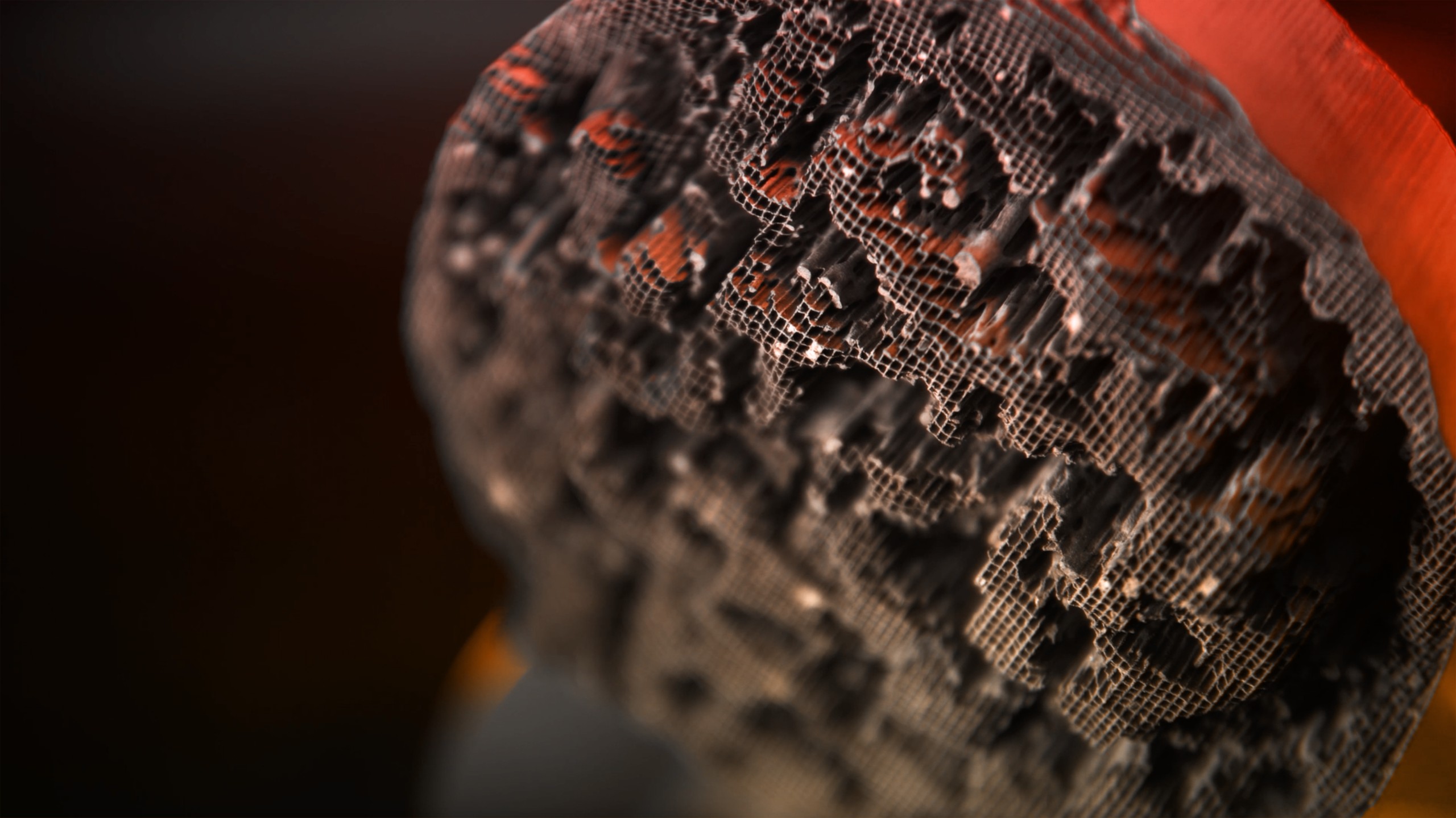
Auto catalyst recycling
Explore more: Auto catalyst recycling -
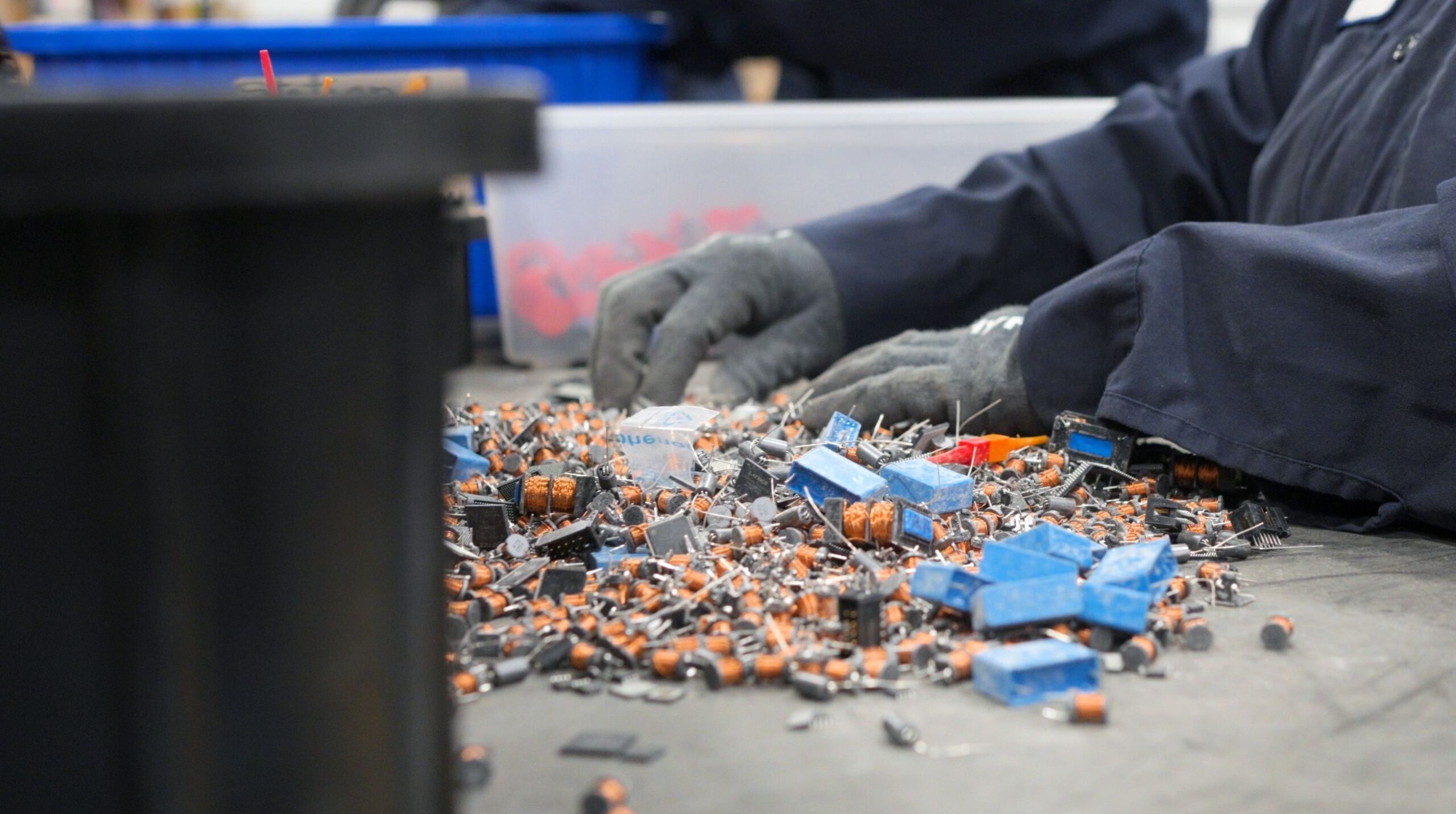
Electronic material classification
Explore more: Electronic material classification -
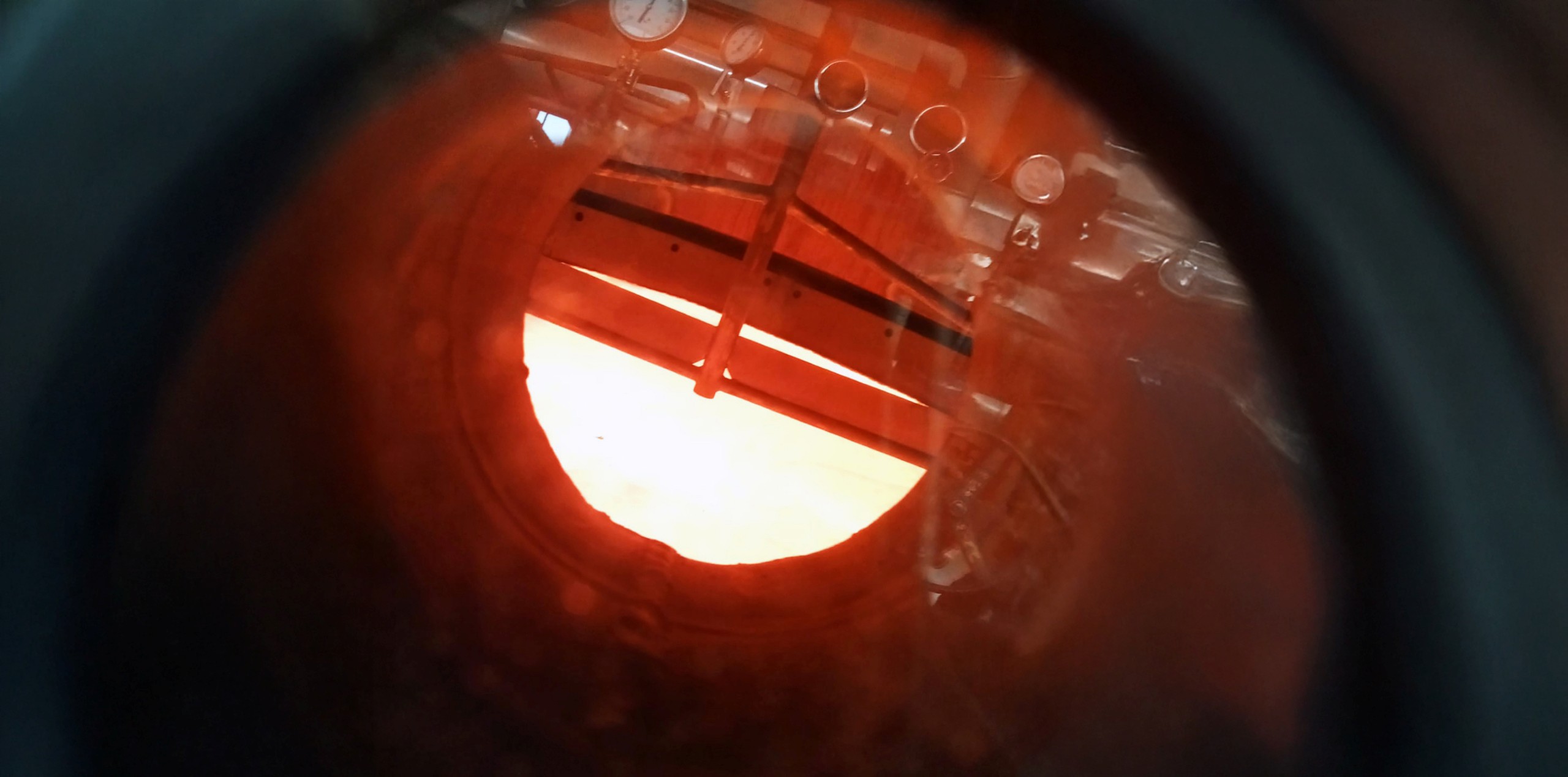
Cleaning & recovery
Explore more: Cleaning & recovery -
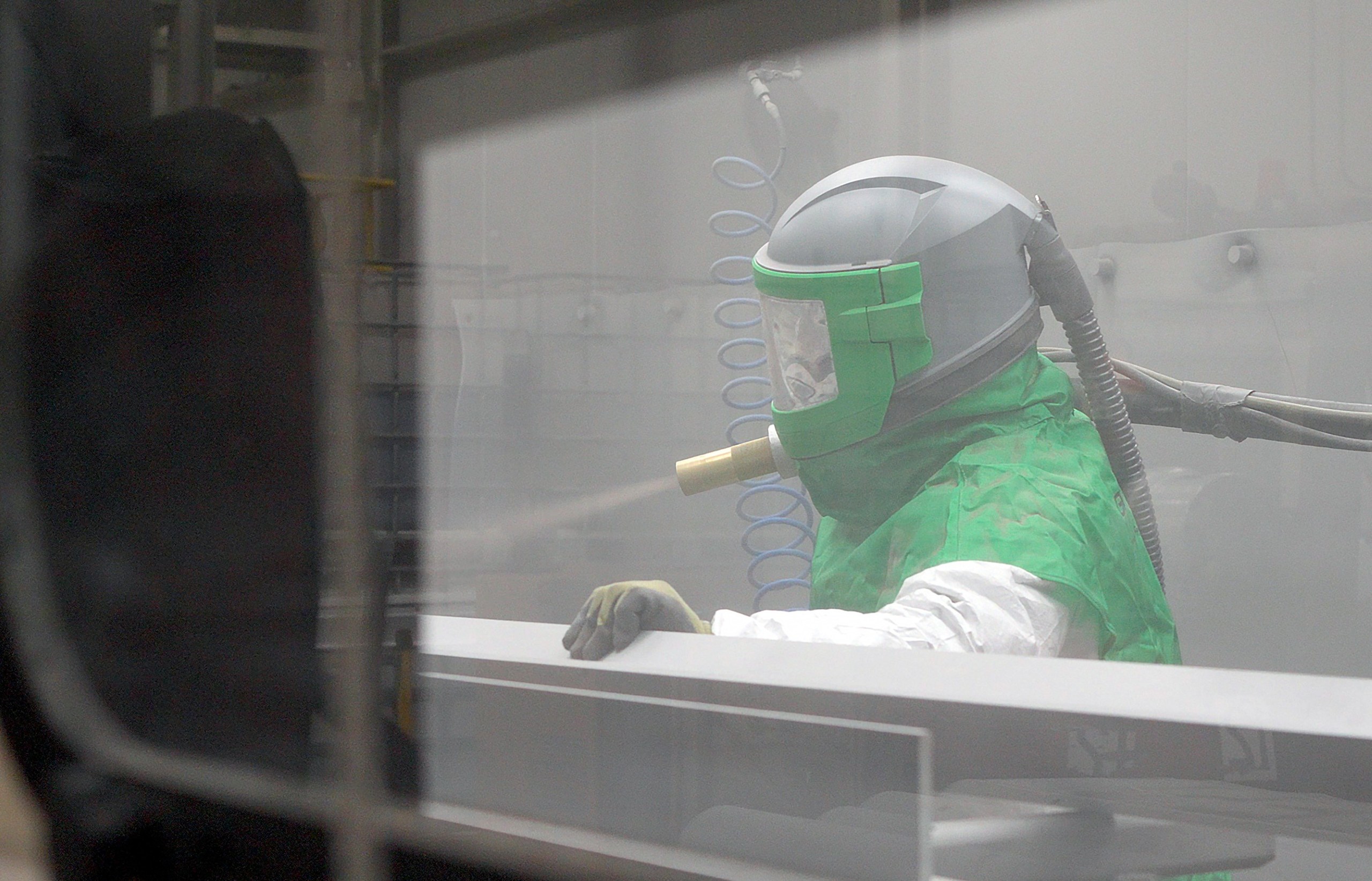
Bead blasting
Explore more: Bead blasting -
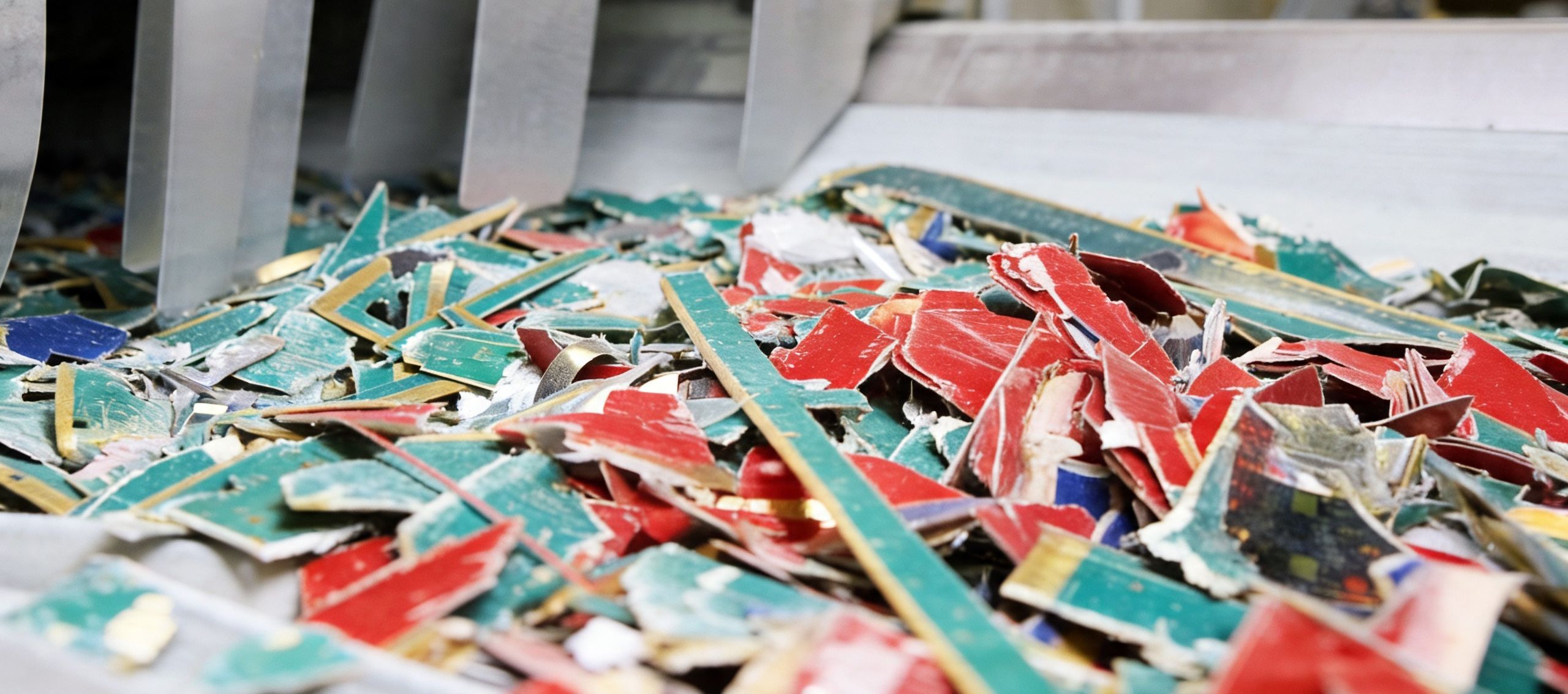
Granulation
Explore more: Granulation -
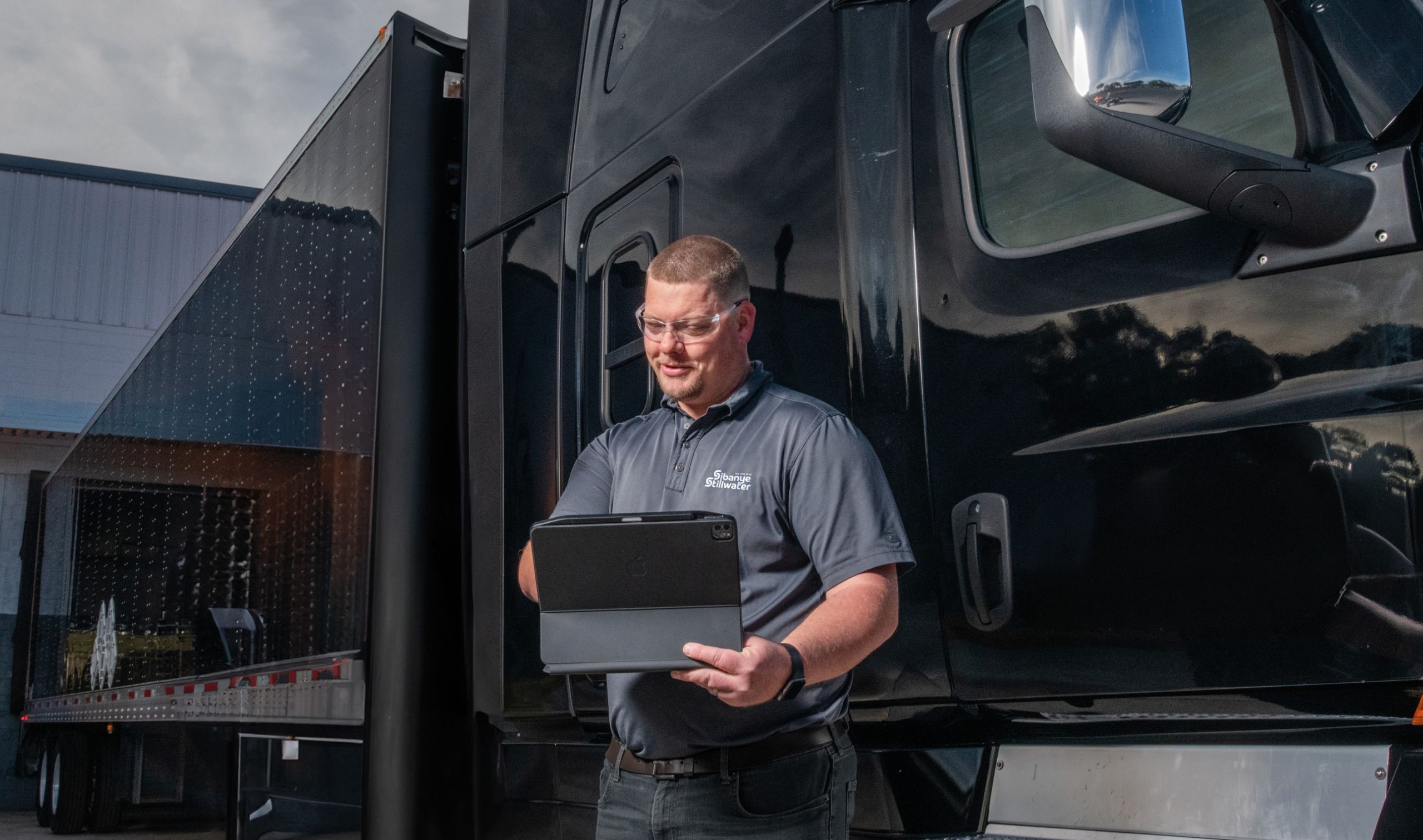
Transportation & logistics
Explore more: Transportation & logistics -
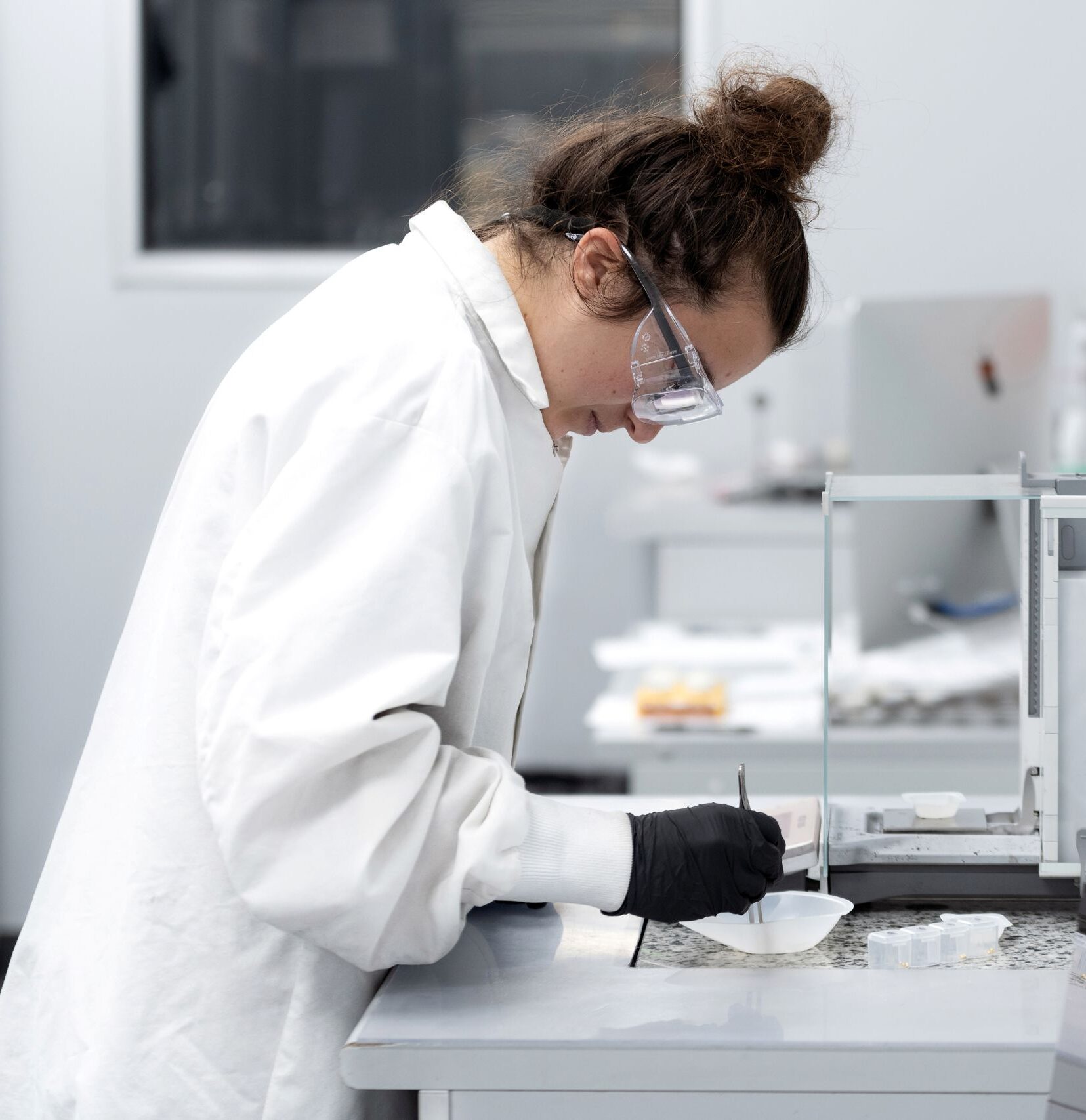
Analytical laboratory
Explore more: Analytical laboratory