
The GNA is unique within the mining industry – a legally binding contract, that has over the years evolved and become a living collaborative document. On 29 May 2025 the GNA celebrated 25 years of partnership, trust, and a shared commitment to responsible mining.
In 2000, Stillwater Mine entered into the Good Neighbor Agreement (GNA) with three local organisations – the Northern Plains Resource Council, the Stillwater Protective Association, and the Cottonwood Resource Council – to address residents’ concerns about environmental degradation. The GNA provides a framework for environmental protection and contractually obligates Sibanye-Stillwater to commitments that exceed the requirements set out in federal and state regulations. These obligations include maintaining transparent and constructive engagement with all stakeholders, using the GNA as a mechanism for dispute resolution and fostering positive relationships. Each Sibanye-Stillwater mine site in the United States has a Good Neighbor Oversight Committee, which convenes three times a year. In addition to these formal meetings, the Technology Committee and other working groups meet as required. For example, a dedicated group focused on water quality communicates at least weekly to advance ongoing projects. The GNA remains a legally binding agreement and has evolved over time into a dynamic, collaborative document that can be adapted to changing needs. The agreement provides funding for mining and water experts who advise the Group and share knowledge on environmental and social impacts with local communities. The Group also provides input on permitting and mine planning ahead of formal comment periods, allowing strategies to be refined in line with community concerns. This approach helps to minimise delays in permitting and significantly enhances transparency throughout the public comment processes.
Through the GNA, we are working with the Stillwater Protective Association and Cottonwood Resource Council to develop a stakeholder-driven, independent water monitoring and assurance plan aligning with the goals and objectives of the GNA.
Focus areas
Traffic
The GNA includes guidelines to limit traffic impacts around our areas of operation. Our logistics coordinator consolidates commercial loads to reduce traffic to the Stillwater and East Boulder mines. Signage along routes to the mines encourages motorists to reduce speed near residential areas. In addition, employees are required to travel to the mines using company-provided buses.
Mineral waste
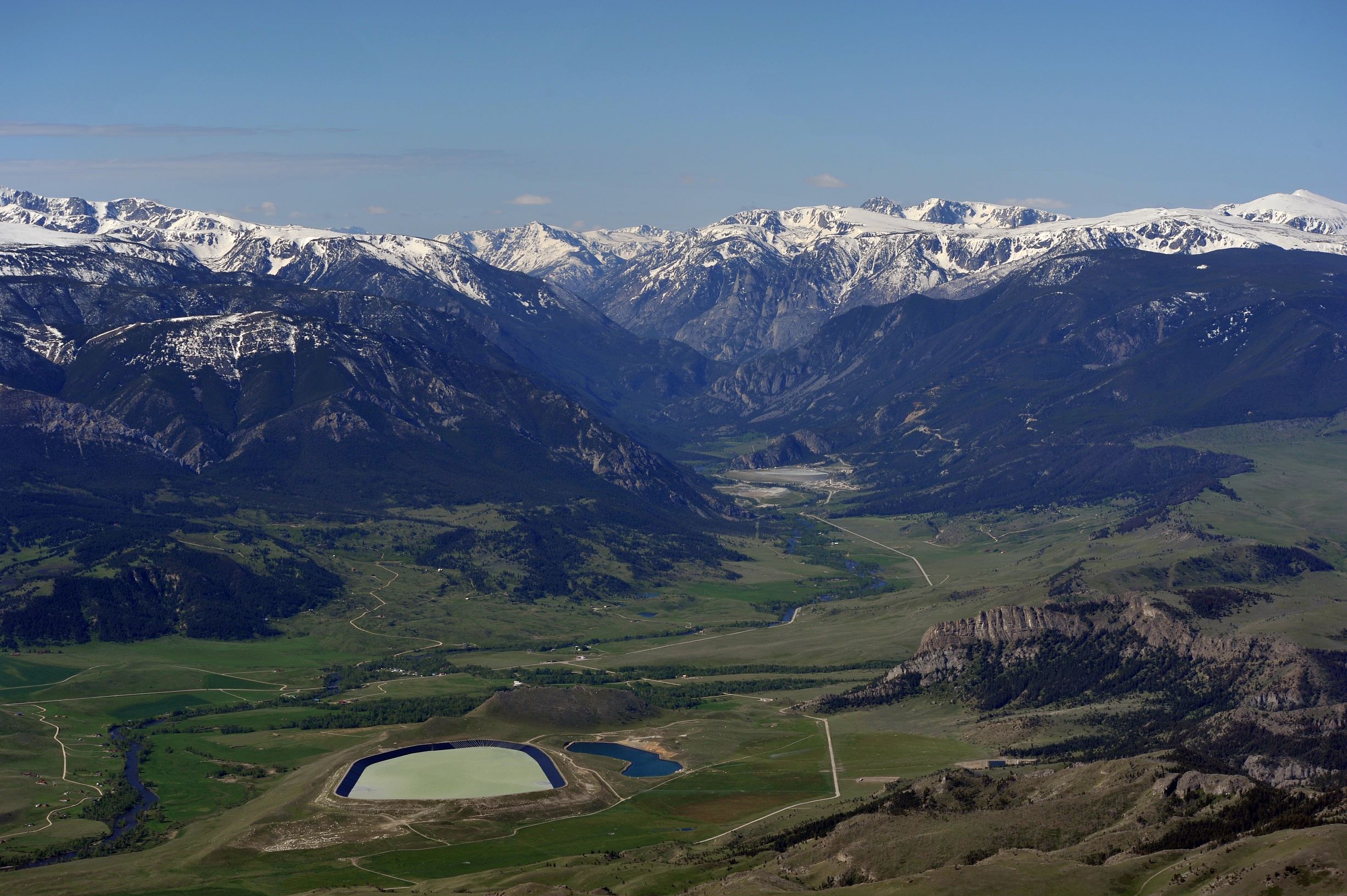
The GNA provides for the review of long-term tailings storage facility (TSF) and waste rock storage facility (WRSF) design and siting decisions.
At both the Stillwater and East Boulder mines, approximately 50% of all concentrator tailings are returned underground for backfilling, while the remaining material is transported via pipeline to each site’s respective TSF.
The Stillwater Mine has completed engineering design and initiated the environmental impact assessment (EIA) for a new TSF adjacent to the existing Hertzler TSF. The planned expansion aligns with the Global Industry Standard on Tailings Management and will add 10,200kt of capacity, ensuring sufficient storage for current proven and probable mineral reserves. In addition, a planned expansion of the site WRSF will be assessed as part of the EIA. The expanded WRSF will provide adequate capacity to support ongoing operations. Its design includes a liner and underdrain system to capture infiltrating precipitation, thereby helping to protect groundwater quality.

Water quality
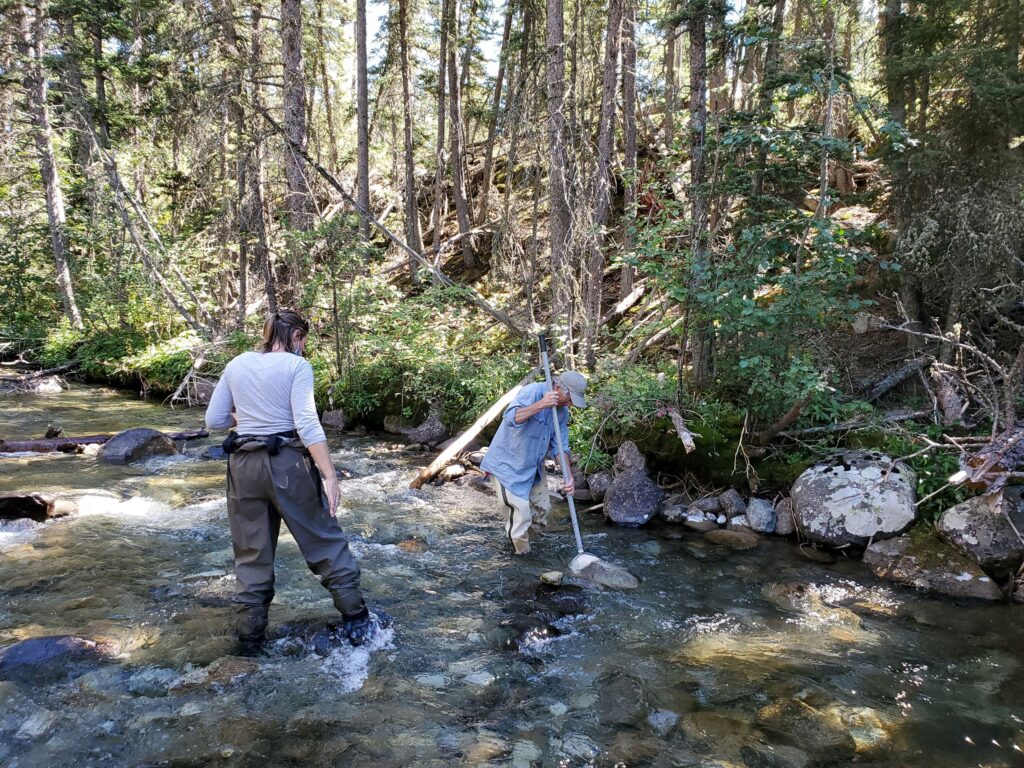
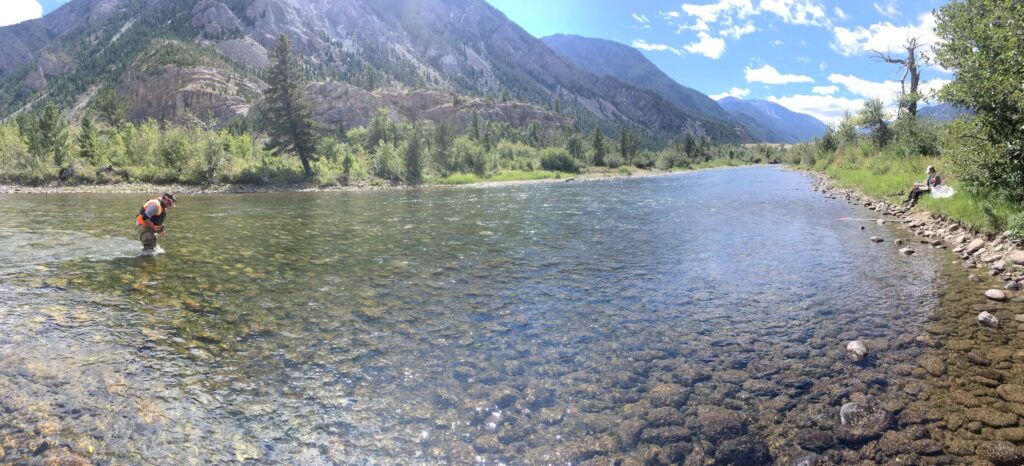
The GNA Councils and Sibanye-Stillwater collaborate on water management through an adaptive management plan (AMP), which defines and tracks water quality metrics. These requirements are generally more stringent than existing state and federal regulatory standards.
Under the AMP, mitigation measures may be triggered even when water contaminant levels remain well below state and federal regulatory thresholds. This proactive approach allows for early identification and remediation of potentially affected areas. During 2025, we concluded a study on post-closure water quality criteria and associated treatment works. These new criteria, to be incorporated into the AMP, aim to meet GNA objectives while exceeding regulatory requirements.
New technologies
The GNA also provides the framework for the Responsible Mining Practices and Technology (RMPT) committee. In 2025, the RMPT evaluated the scope for a planned study on filtered tailings technology. Another key focus area for the RMPT is in-situ rinsing of waste rock to help minimise the need for water treatment at closure.
The RMPT has proven to be a valuable extension of the GNA, supporting numerous continuous improvement initiatives over the years.