
We are guided by our Sustainability framework pillar of societal trust and enabling shared value and a net positive legacy. Our approach is to share opportunity with local communities, maximising our economic impact to contribute to growing, sustainable economies where we operate including incentivising communities in investing in post-closure economies.
Highlights from 2025

R2.6bn (US$146m)
invested in social and labour plans and corporate social investment (CSI)
R23.8bn
on responsible and preferential local procurement in South Africa
R6.4bn
community procurement spend (local-local)

to rebuild communities and ensure
ongoing socio-economic sustainability
![Thumbs up [icon]](https://www.sibanyestillwater.com/wp-content/uploads/2020/04/icon-thumbsup.svg)
In 2025, we conducted a stakeholder perception study in communities around our SA operations

Good Neighbor Agreement
maintained at the US PGM operations
Our approach is to create shared value with our stakeholders, thereby maximising our social and economic impact. As a business, our role goes beyond our mine boundaries to support the broader ecosystem in which we operate. In the South African context, where public trust in institutions has declined amid growing dissatisfaction with government service delivery, we remain engaged, transparent, and responsive. Our US, EU and Australian operations are characterised by relatively good socioeconomic conditions.
Our presence in each country within which we operate brings direct and indirect positive impacts and benefits that will be felt throughout our tenure as well as beyond mining.
Effective community engagement is a dynamic and evolving process and requires commitment to partnering with governments and other organisations. We engage meaningfully with our stakeholders to ensure we better understand their perceptions of value and deliver accordingly. We have developed a stakeholder perception index which helps in identifying and addressing specific challenges, including employment, legacy issues, transparency and local procurement opportunities.
Our stakeholder engagement process is designed to respect local customs, traditions and cultures while encouraging open, honest and constructive dialogue. raging open, honest and constructive dialogue.
A closer look
Sociopolitical instability in South Africa is identified as a material matter for the business.
In South Africa our commitment to socioeconomic development is regulated through social and labour plans (SLPs). According to South Africa’s Mineral and Petroleum Resources Development Act (2002), minerals resources belong to the nation and the state is the custodian thereof. The role of the Department of Mineral Resources and Energy (DMRE) is to ensure that mining benefits the people of the country, specifically employees and the surrounding community.
Core aspects of our approach are:
- Facilitating sustainable post-mining economies
- Collaboration and partnerships
- Leveraging land for impact
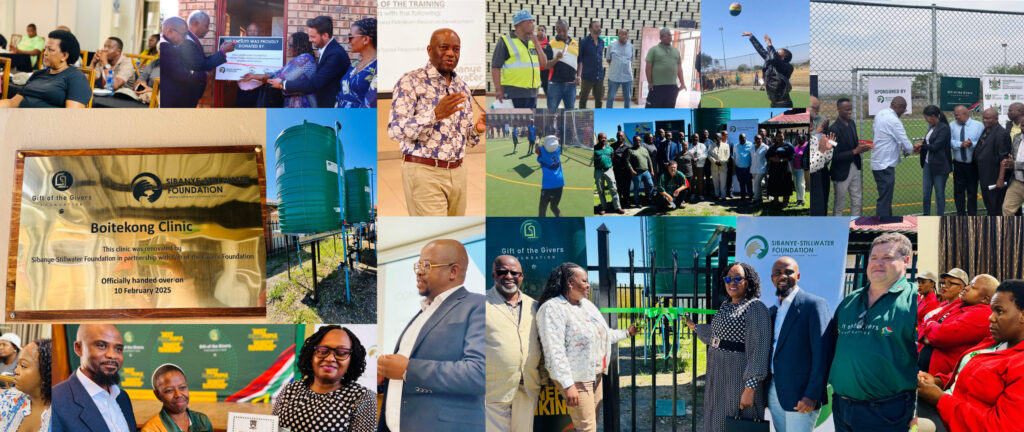
Our efforts include building early childhood development centres near our housing facilities, providing employment and entrepreneurship training, and donating obstetric ambulances to ensure that mothers-to-be have access to safe patient transport.
We invest in community training and development programmes, learnerships and portable technical and vocational skills training and education and research programmes at universities to help strengthen and empower the workforce in host communities.
In addition to delivering SLPs and socioeconomic programmes, the SA region continues to pursue opportunities to collaborate with government and development partners to support institutional capacity in delivering basic services. In late 2023, we signed an MOU with the Department of Cooperative Governance and Traditional Affairs (COGTA) to work together to strengthen local government, so that it can more effectively deliver on its constitutional mandate of economic and social development. In partnership with Wits Business school, ShakesShem and COGTA we have launched a leadership development programme for Traditional Authorities residing near our operations and those who we lease land from.
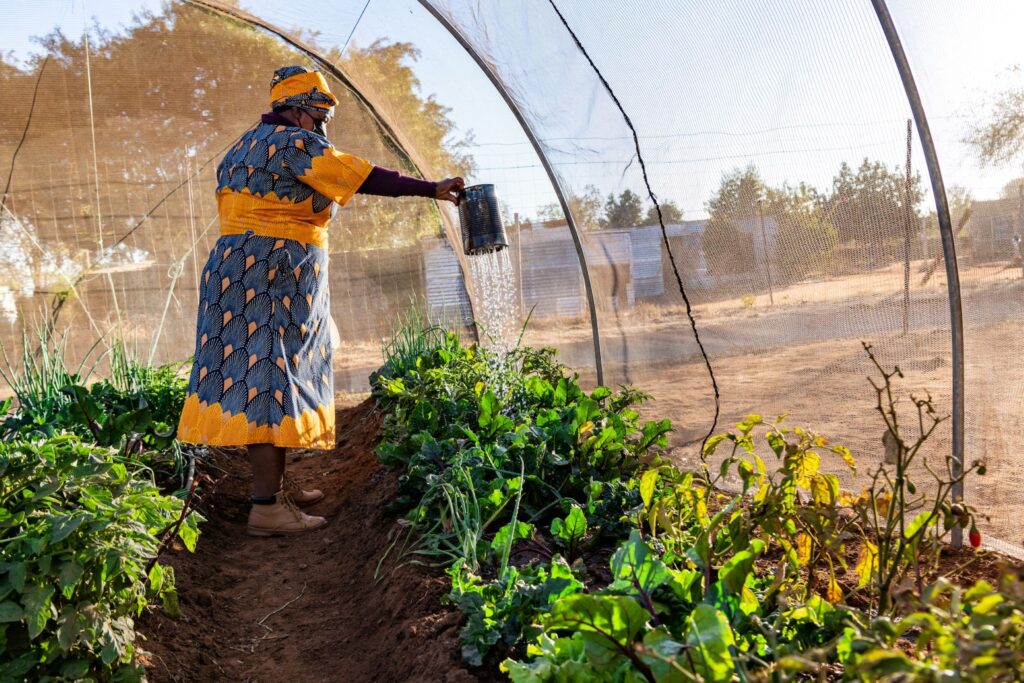
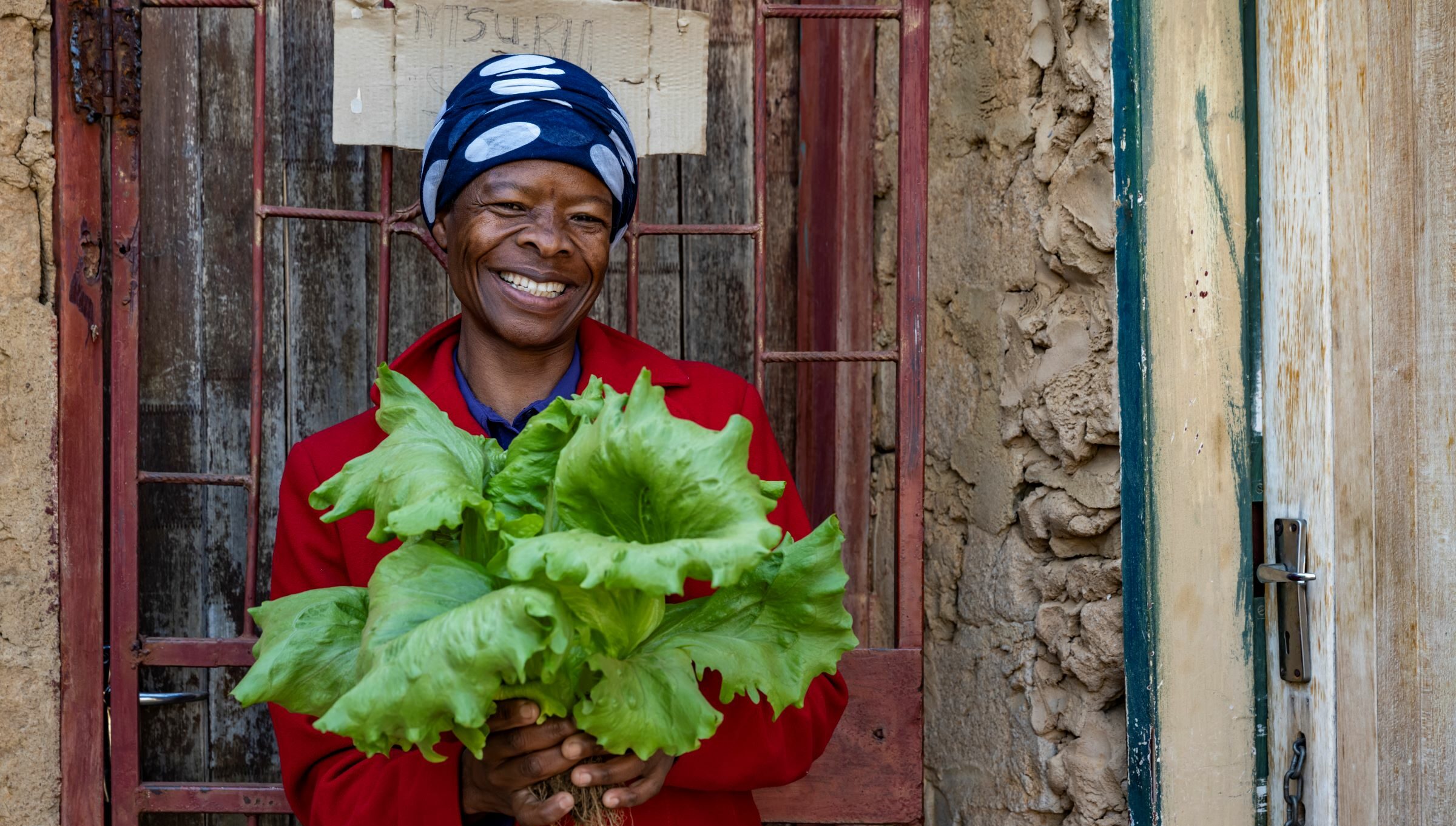
We run Corporate social investment (CSI) programmes which prioritise community development, health, education, sport, arts, culture, and environmental projects. focusing on vulnerable people, education, youth development, health, sports, and food security. See the 2025 Impact supplement for case studies and further insight into our community initiatives.
Three community development trusts form part of the empowerment structures in Rustenburg and Marikana, supporting community development programmes focused on education, health, GBVF, food security, water and sanitation, and roads. These are the Sibanye Rustenburg Mine Community Development (SRMCD) Trust, the Lonplats Marikana Trust, and the Bapo Ba Mogale LED Trust. In addition, the Sibanye-Stillwater Foundation supports community development across host communities within our South African operations.
In 2025, no dividend was declared or paid to the SRMCD Trust and the Sibanye Rustenburg Mine Employees Trust (2024: R293,554,098).
In 2025, donations totalling R18.9 million (2024: R14.1 million) were paid to the Bapo Ba Mogale LED Trust and the Lonplats Marikana Community Development Trust. The Lonplats Employee Share Ownership Trust received R434 million (gross profit share).
Stakeholder perception study
In 2025, we conducted a stakeholder perception study in communities around our SA operations. The study provides strategic accountability by evaluating how Sibanye-Stillwater’s public commitments — including stakeholder-inclusive governance outlined in the King Code — align with our Sustainability framework’s Planet, People, Prosperity and Governance themes. It also records stakeholders’ lived experiences. By converting perception data into actionable intelligence, the study guides operational continuity and supports long-term value creation. It measures relationship equity, legitimacy, and perceived value, which are essential to Sibanye- Stillwater’s social license to operate.
The stakeholder perception study builds on the 2023 baseline assessment and provides deeper insights into stakeholder expectations, perception drivers, and areas requiring strategic focus.
Overall stakeholder satisfaction declined marginally from 49% in 2023 to 46% in 2025. The SA PGM operations recorded a notable improvement in stakeholder sentiment, increasing from 37% in 2023 to 49% in 2025. In contrast, the SA gold operations experienced a decline from 59% in 2023 to 42% in 2025; the decline was particularly severe for communities in Gauteng compared with the Free State. These findings underscore the need for targeted, operation-specific stakeholder engagement and stronger relationship management to sustain trust and protect the organisation’s long-term social licence to operate.
See economic impact for more.
SLPS:
- SLP: Beatrix Social and Labour Plan IIII 2022 to 2026 English
- SLP: Driefontein 2017 – 2021 English | IsiXhosa | seTswana
- SLP: Cooke 2014
- SLP: Doornvlei 2021 – 2025 English | Sepedi
- SLP: Kloof 2017 -2021 English | Setswana
- SLP: Kroondal PSA 2021 – 2025
- SLP: Eastern Platinum Limited (EPL) 2019 -2023 English | IsiXhosa | Setswana
- SLP: Pandora Platinum Mine (Pty) Ltd 2018 – 2022 English | IsiXhosa | Setswana
- SLP: Rustenburg Platinum Mine Social and Labour Plan 2021 – 2025 English
- SLP: Western Platinum Proprietary Limited (WPPL) 2019 – 2023 English | IsiXhosa | Setswana
- SLP: Voerspoed Social and Labour Plan 2021 – 2025 English | Sepedi
Social upliftment is part of US and Montana regulatory structures, and is included in permitting requirements and tax structures. Every ounce of metal we produce provides specific financial benefits to local counties. Montana’s Hard-Rock Mining Impact Act (HRMIA, 1981) ensures that large-scale mineral developments do not burden local taxpayers. As the Montana.gov website explains it: ‘In the impact plan, the developer must identify and commit to pay all increased local government capital and net operating costs that will result from the development.’
An innovative framework called the Good Neighbors Agreement, developed in collaboration with the local environmental community, ensures that we protect the natural environment while encouraging responsible economic development.
Our CSI initiatives include the Community Giving Team, led by employees committed to supporting charitable and non-profit interests in and around the communities where our employees live and work, and in collaboration with Wheaton Precious Metals. In 2025, CSI initiatives the US PGM operation provided US$198,500 (US$194,500 in 2024) to support local non-profit organisations.
The US PGM operations focus their CSI on rural emergency and healthcare services, education, community improvement, and environmental stewardship.
Finland is globally recognised as a benchmark welfare state. Our contribution to socioeconomic development there is therefore primarily focused on CSI programmes and measured through the outcomes of projects implemented in the country.
At Keliber, we have engaged in active dialogue with landowners and other neighbours in our areas of operations as part of our environmental impact assessment. The assessment involves reporting the results of our findings, and ensuring we keep the community well-informed about our plans and the expected impacts.
In 2025, EUR 20,230 was spent on various community projects surrounding the Keliber operations.
The Gulf Communities Agreement (GCA) provides a structured framework of community and stakeholder engagement forums. These forums address the concerns of Traditional Owners whose lands and waters are impacted by Century operation. The agreement encompasses the involvement of the Waanyi, Mingginda, and Ghuthaarn & Kukatji Native Title Groups, in addition to Century operation and the State of Queensland. The GCA serves as a land-use agreement that outlines a collaborative approach to the sharing of benefits and opportunities arising from Century operation, ensuring that the interests of Traditional Owners are recognised and that their voices are included in decision-making processes affecting their traditional lands and waters.
Beyond these formal engagements via the GCA, Century operations maintains regular informal and semi-formal contact with other community stakeholder groups including the Burke and Carpentaria Shire Councils, local landowners, State and Federal Members of Parliament, the Queensland Government and other interested stakeholders from the lower Gulf of Carpentaria. These engagements foster ongoing dialogue to address concerns of indigenous groups and other stakeholders in an appropriate manner.
No formal engagement regime has been established at Mt Lyell however, regular ongoing engagement with stakeholders is ongoing as part of the feasibility investigations.
References
- Fact sheet August 2026: Marikana Renewal Programme
- Group impact supplement 2025
- Sustainability report 2025: People and prosperity
- SLPs: Summary of projects in South Africa 2024
- SA gold operations: Creating shared value through SLP projects booklet 2024
- SA PGM operations: Creating shared value through SLP projects booklet 2024
- Fact sheet: Combatting illegal mining
- Fact sheet: Sibanye-Stillwater’s ICMM self-assessment for 2025
- Fact sheet: The Good Neighbor Agreement
- [Platinum Weekly] July, 22, 2025: Afrika Tikkun and Sibanye-Stillwater Mark Milestone in Marikana
- [Daily Maverick] Sibanye-Stillwater invests in school sanitation: A step towards dignity
- Marikana Renewal website
- Stakeholder Engagement Policy
- Position statement: Indigenous people, host communities and mining
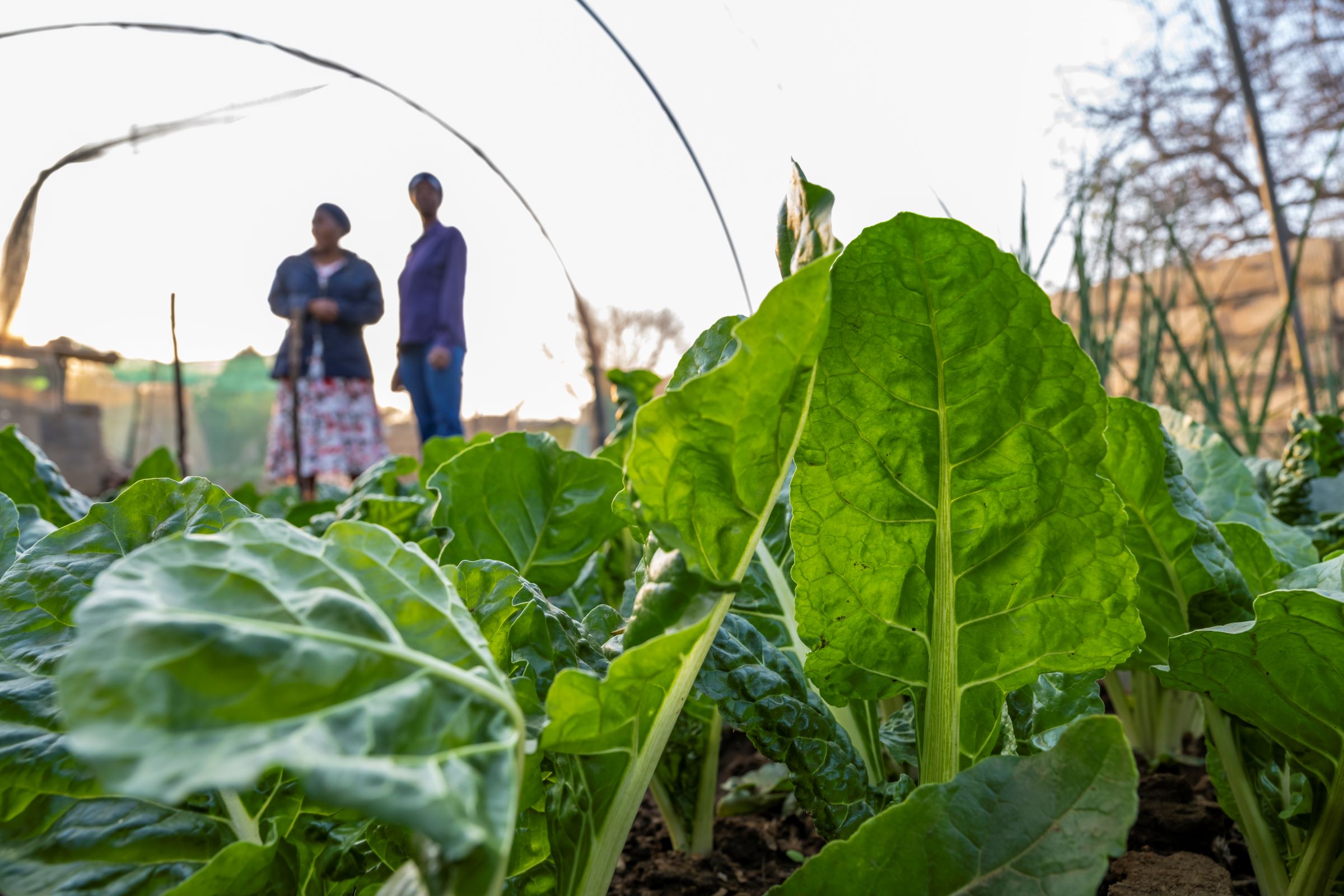
The Marikana Renewal programme launched in 2020, under the patronage of Archbishop Thabo Makgoba, aims to create a shared legacy of healing and hope in the wake of the tragic events of August 2012.
To learn more about the community development projects under way at Marikana see the dedicated website.